Professional and high-quality metal alloys, ceramic products and concrete additives | RBOSCHCO





PRODUCT PARAMETERS
Description
Overview of Biphasic Layered Oxide Cathode Materials for Sodium Ion Batteries
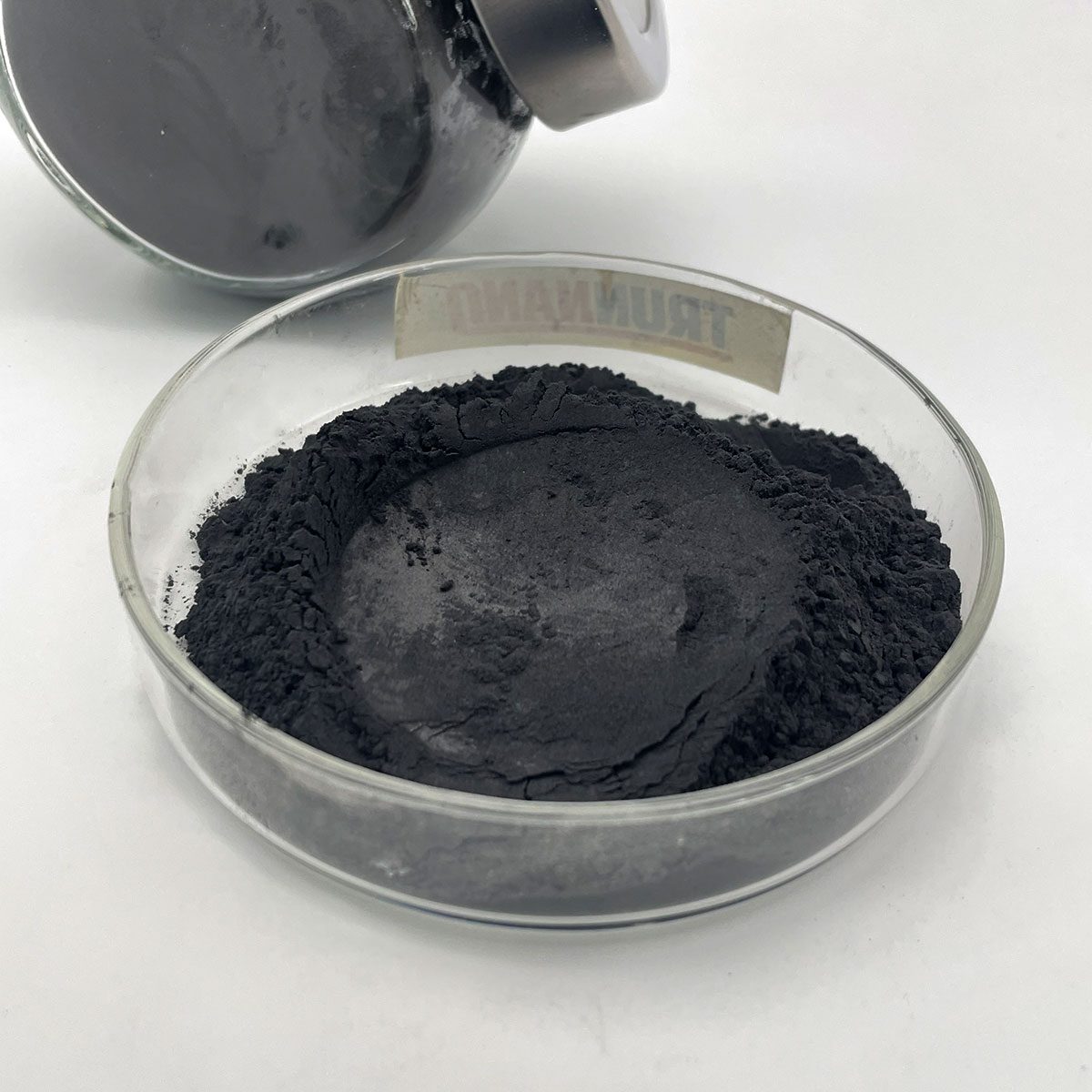
Biphasic Layered Oxide Cathode Materials represent a cutting-edge advancement in sodium-ion battery technology, engineered to overcome the limitations of single-phase O3 or P2-type structures. These innovative materials intelligently integrate two distinct crystalline phases (such as P2/O3 or P2/O’3) within a single particle. This unique biphasic structure creates a synergistic effect, where one phase provides high specific capacity and the other ensures exceptional structural stability and smooth sodium-ion kinetics during deep charge/discharge cycles. The result is a superior cathode material that delivers an outstanding balance of high energy density, long cycle life, and excellent rate capability, making it ideal for next-generation, high-performance sodium-ion batteries.
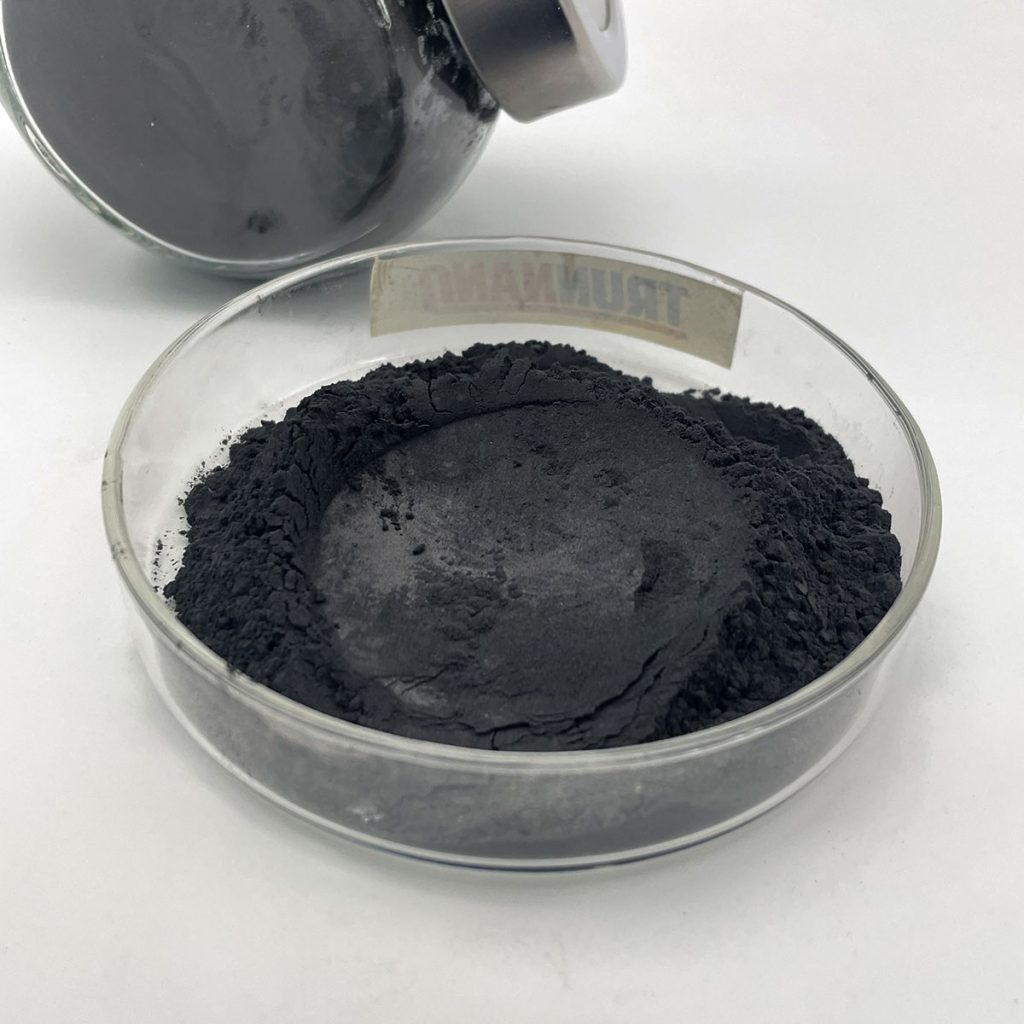
Features of Biphasic Layered Oxide Cathode Materials for Sodium Ion Batteries
- Superior Structural Stability: The complementary nature of the two phases mitigates detrimental phase transitions, significantly enhancing the material’s cycling longevity.
- High Energy Density: Engineered to deliver high discharge capacities (e.g., up to 155 mAh/g) and competitive average voltages, resulting in high gravimetric energy density.
- Enhanced Kinetics: The biphasic interface can facilitate improved sodium-ion diffusion, leading to better rate performance and faster charging capabilities.
- Optimized Electrochemical Performance: Offers a stable voltage profile and high first-cycle efficiency due to the stabilized structure.
- Compositional Versatility: Our series (e.g., Z-NNFM, Z-NNCM) allows for tuning the biphasic structure to optimize for specific performance metrics like power, energy, or cost.
Applications of Biphasic Layered Oxide Cathode Materials for Sodium Ion Batteries
- High-Performance Electric Vehicles (EVs) requiring long range and durability.
- Large-Scale Grid Energy Storage Systems (ESS) demanding long cycle life and reliability.
- Advanced Consumer Electronics such as power-intensive laptops and drones.
- Industrial Power Tools and equipment needing high power and robust performance.
- Renewable Energy Integration and backup power systems.

Specification Table of Biphasic Layered Oxide Cathode Materials (Example: Z-NNFM)
| Parameter | Unit | Typical Value (Z-NNFM) |
|---|---|---|
| Particle Size (D50) | μm | 5.0 |
| Tap Density | g/cm³ | 2.3 – 2.5 |
| Compacted Density | g/cm³ | 3.4 – 3.7 |
| Specific Surface Area | m²/g | 0.7 – 1.0 |
| Discharge Specific Capacity (0.1C) | mAh/g | 125 – 145 |
| Average Voltage | V | 3.1 – 3.3 |
| Energy Density | Wh/kg | 380 – 420 |
| Crystal Structure | – | P2/O3 Biphasic |
Company Profile
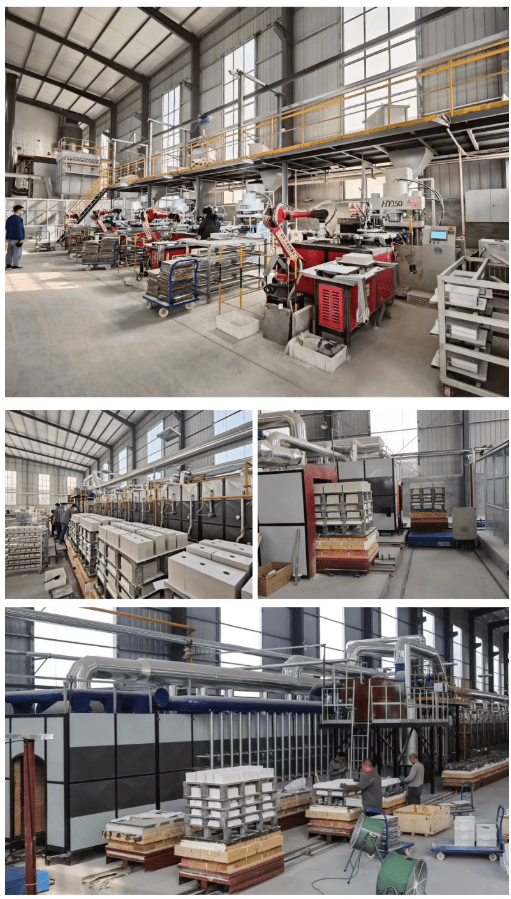
Rboschco is a trusted global chemical material supplier & manufacturer with over 12-year-experience in providing super high-quality chemicals and nanomaterials, including boride powder, nitride powder, graphite powder, sulfide powder, 3D printing powder, etc.
The company has a professional technical department and Quality Supervision Department, a well-equipped laboratory, and equipped with advanced testing equipment and after-sales customer service center.
If you are looking for high-quality Battery Materials, please feel free to contact us or click on the needed products to send an inquiry.
Payment Term
L/C, T/T, Western Union, Paypal, Credit Card etc.
Shipment Term
By sea, by air, by express, as customers request.
FAQs of Biphasic Layered Oxide Cathode Materials for Sodium Ion Batteries
1. What is the key advantage of a biphasic structure over a single-phase material?
The primary advantage is the combination of high capacity (often from the O3-type phase) and excellent structural stability (often from the P2-type phase). This synergy reduces volume changes and harmful phase transitions during cycling, leading to a much longer-lasting battery compared to single-phase cathodes.
2. How is the biphasic structure formed and controlled?
The biphasic structure is carefully engineered during the high-temperature synthesis process by precisely controlling the chemical composition (e.g., Na content, transition metal ratios) and sintering conditions. This allows for the targeted formation of two intergrown, stable phases.
3. Are these materials compatible with existing electrode manufacturing processes?
Yes. These materials are supplied with optimized physical properties, including controlled particle size distribution and high density, making them fully compatible with standard slurry mixing, coating, and calendering processes used in lithium-ion battery manufacturing.
4. How does the energy density compare to other sodium-ion cathode types?
Biphasic layered oxides are among the highest-performing sodium-ion cathodes. They typically offer higher energy densities than Prussian blue analogues and polyanionic compounds, and improved cycling stability compared to many single-phase layered oxides, striking a top-tier balance.
5. Can the properties be tailored for specific applications?
Absolutely. Our product series includes various compositions (e.g., Z-NNFM for cost-effectiveness, Z-NNCM for higher capacity). By selecting different material codes, customers can choose a cathode optimized for their specific needs, whether it’s maximum energy, power, or cycle life.
REQUEST A QUOTE
RELATED PRODUCTS
Silicon-Based Anode Material Series TRGY-3 Battery Anode Material
Hard Carbon Anode Material TRNF-1 Hard Carbon Anode Material for Sodium-Ion Batteries
Silicon-Based Anode Material Series TRGY-2 Battery Anode Material
O3-type NFMCathodeMaterialsfor Sodium IonBatteriesNaxTMO2
High Quality NaxTMO2 Anode Material for Sodium Ion Batteries