Professional and high-quality metal alloys, ceramic products and concrete additives | RBOSCHCO

The global manufacturing industry is continuously moving toward higher performance, lighter structures, and more durable engineering solutions. From aerospace components and automotive systems to energy equipment and precision machinery, industries require materials that can withstand extreme mechanical stress, temperature changes, corrosion, and long-term operation. In this environment, Alloy Rod has become an essential raw material for manufacturers seeking reliable and high-performance metal solutions.
An alloy rod is a metal product manufactured by combining two or more metallic elements to achieve improved properties compared with pure metals. By adjusting chemical composition and heat treatment processes, alloy rods can provide enhanced strength, corrosion resistance, wear resistance, electrical performance, and thermal stability. These characteristics make them widely used in advanced manufacturing industries.
One of the fastest-growing application fields for Alloy Rod is aerospace and transportation manufacturing. Modern aircraft, electric vehicles, and high-speed machinery require lightweight yet strong materials to improve efficiency and reduce energy consumption. Alloy rods provide manufacturers with the flexibility to produce precision components that meet strict engineering requirements.
Unlike ordinary metal bars, high-quality alloy rods are designed according to specific industrial needs. Different alloy systems, such as aluminum alloys, copper alloys, nickel alloys, titanium alloys, and stainless-steel alloys, offer unique advantages for different applications.
For global buyers, distributors, and engineering companies, selecting the right Alloy Rod supplier is critical. Factors such as chemical composition, mechanical properties, dimensional accuracy, surface quality, and international certification all influence final product performance.
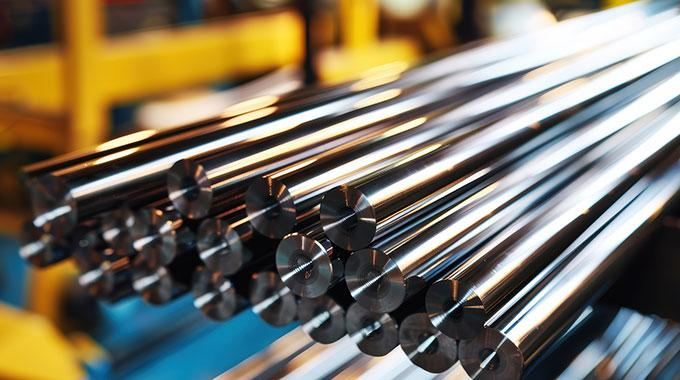
Why Alloy Rods Are Widely Used in Aerospace and High-Performance Engineering
The aerospace industry represents one of the most demanding application areas for metal materials. Aircraft components must achieve excellent strength while maintaining low weight, corrosion resistance, and long service life. Traditional metals often cannot satisfy these complex requirements, which has increased demand for advanced alloy materials.
Alloy Rod plays an important role in aerospace manufacturing because it provides a balance between mechanical performance and design flexibility. Engineers use alloy rods to produce structural parts, fasteners, shafts, connectors, engine components, and precision-machined parts.
One of the major advantages of alloy rods is their high strength-to-weight ratio. For aerospace manufacturers, reducing component weight directly improves fuel efficiency and operational performance. Aluminum alloy rods and titanium alloy rods are especially valuable because they provide excellent strength while remaining lightweight.
Corrosion resistance is another important factor. Aircraft and transportation equipment are exposed to humidity, temperature changes, and chemical environments. Alloy rods containing elements such as chromium, nickel, or titanium provide improved resistance against oxidation and corrosion, extending component service life.
Thermal performance is also essential in aerospace applications. Engine systems and high-temperature equipment require materials that can maintain mechanical properties under extreme heat. Nickel-based alloy rods are commonly selected for these environments because of their excellent high-temperature stability.
Precision manufacturing is another reason for the popularity of Alloy Rod. These products can be processed through CNC machining, forging, extrusion, and other advanced manufacturing methods to create complex components with strict dimensional requirements.
Common aerospace and engineering applications include:
- Aircraft structural components
- Engine parts
- Precision shafts
- Fasteners and connectors
- Hydraulic system components
- High-temperature equipment parts
As aerospace technology continues developing, the demand for high-performance alloy rods will continue increasing.
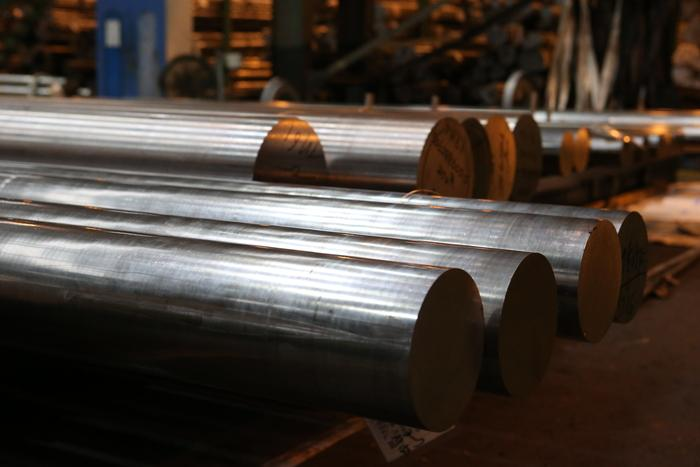
Alloy Rod Applications in Automotive, Electric Vehicles, and Energy Industries
The automotive industry is experiencing significant transformation due to electrification, lightweight design, and advanced manufacturing technologies. Electric vehicles, hybrid systems, and energy-efficient transportation solutions require materials with improved mechanical performance and reliability.
In these industries, Alloy Rod provides an important foundation for producing durable and lightweight components. Automotive manufacturers use alloy rods to produce transmission parts, suspension components, shafts, connectors, and structural elements.
For electric vehicles, material selection is especially important because reducing vehicle weight improves battery efficiency and driving range. Aluminum alloy rods are widely used because they combine low density with excellent strength and corrosion resistance.
Copper alloy rods are also highly valuable in electric vehicle systems because of their excellent electrical conductivity. They are commonly used in electrical connectors, charging systems, motors, and power transmission components.
Energy industries also rely heavily on alloy rods. Renewable energy systems, including wind turbines and solar power equipment, require materials capable of long-term outdoor operation. Alloy rods used in these systems must withstand environmental exposure while maintaining mechanical reliability.
In oil and gas industries, nickel-based and corrosion-resistant alloy rods are used for equipment exposed to harsh chemical environments. These materials help reduce failures caused by corrosion and extreme operating conditions.
Important applications include:
- Electric vehicle components
- Battery system connectors
- Wind turbine structures
- Solar equipment supports
- Oil and gas equipment
- Industrial machinery
The continuous development of clean energy and smart transportation will create further opportunities for Alloy Rod manufacturers and suppliers.
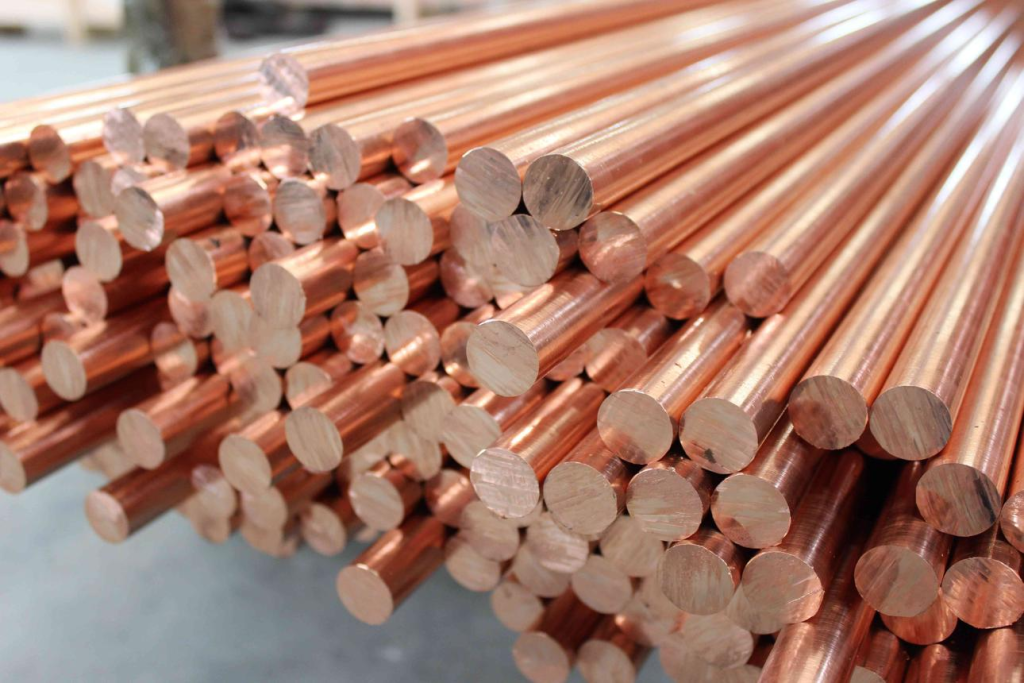
Key Advantages of Alloy Rod Compared with Traditional Metal Materials
The increasing use of Alloy Rod is closely related to its superior performance compared with pure metals. By combining different elements, alloy materials can achieve customized properties for specific industrial applications.
One of the most important advantages is enhanced mechanical strength. Pure metals may not provide sufficient hardness or load-bearing capability for demanding applications. Alloy rods are engineered to provide higher tensile strength, better fatigue resistance, and improved durability.
Another significant benefit is corrosion resistance. Many industrial environments involve moisture, chemicals, or extreme temperatures. Alloy rods containing corrosion-resistant elements provide longer service life and reduce maintenance requirements.
Excellent machinability is also a major advantage. Manufacturers can process alloy rods through cutting, drilling, turning, and precision machining to produce complex components. This makes them suitable for both mass production and customized engineering projects.
Thermal and electrical properties can also be optimized through alloy design. Copper alloy rods provide excellent conductivity, while nickel alloys offer high-temperature stability. This allows engineers to select materials according to specific application requirements.
Compared with traditional materials, Alloy Rod offers:
- Higher mechanical strength
- Better corrosion resistance
- Improved wear resistance
- Flexible material selection
- Excellent machining performance
- Longer operational lifespan
These advantages make alloy rods an important material choice across multiple industrial sectors.
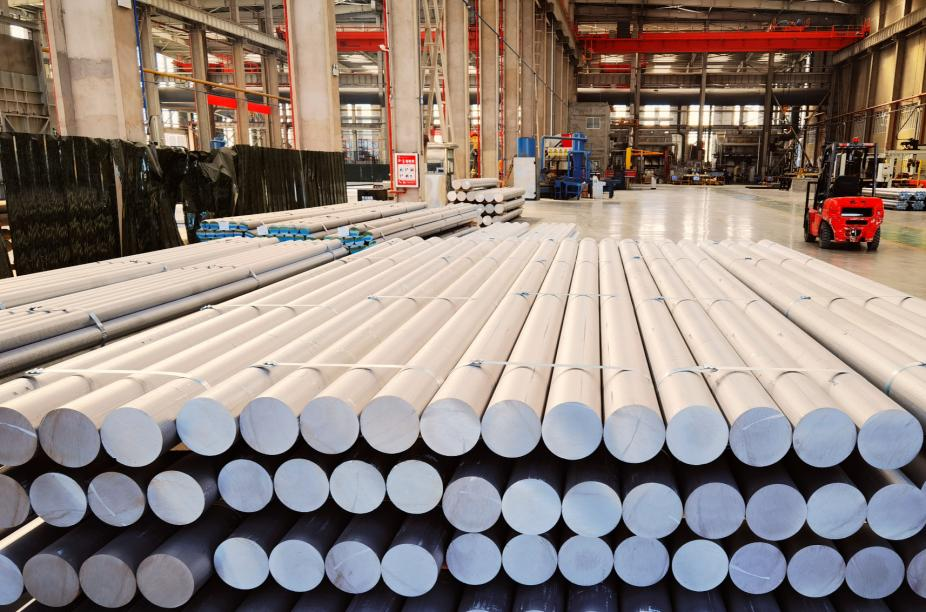
Manufacturing Process and Quality Standards of High-Performance Alloy Rods
For international buyers, understanding Alloy Rod manufacturing processes is essential for selecting reliable products. Product quality depends on raw material selection, alloy composition control, processing technology, and inspection procedures.
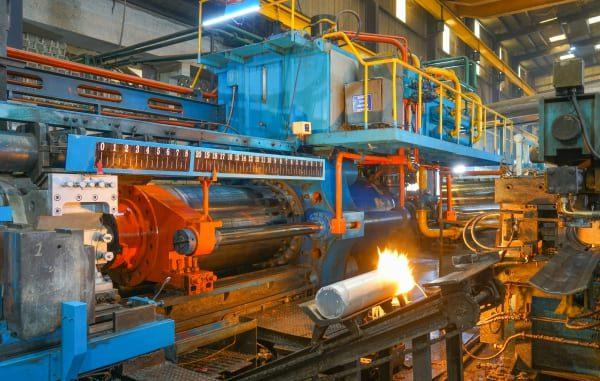
The manufacturing process typically begins with carefully selected metal raw materials. These materials are melted and combined according to specific alloy formulas. Precise chemical control ensures that the final product achieves the required mechanical and physical properties.
After alloy preparation, manufacturers use processes such as casting, extrusion, forging, rolling, and heat treatment. Heat treatment is particularly important because it can significantly improve hardness, strength, and structural stability.
Surface treatment and finishing processes are also important. Depending on application requirements, alloy rods may undergo polishing, machining, coating, or other treatments to improve corrosion resistance and appearance.
Professional Alloy Rod suppliers usually conduct strict quality inspections, including:
- Chemical composition analysis
- Tensile strength testing
- Hardness testing
- Dimensional inspection
- Surface quality evaluation
- Non-destructive testing
For aerospace, automotive, and energy applications, certification and traceability are especially important. Reliable suppliers provide technical documents and quality reports to ensure product consistency.
Choosing an experienced Alloy Rod manufacturer helps customers reduce procurement risks and achieve stable production performance.
How to Choose the Right Alloy Rod Supplier for Global Industrial Applications
Selecting the right Alloy Rod supplier is a critical decision for companies involved in international manufacturing and distribution. Different industries require different alloy compositions, dimensions, and performance characteristics.
Before purchasing alloy rods, buyers should evaluate several important factors, including material grade, application environment, mechanical requirements, and processing needs.
For example, aerospace applications may require lightweight alloys with high fatigue resistance, while chemical processing industries may prioritize corrosion resistance. Electrical applications may require alloys with excellent conductivity.
A professional supplier should provide:
- Wide range of alloy materials
- Customized sizes and specifications
- Stable production capacity
- Technical support
- Quality certifications
- International export experience
Customization capability is becoming increasingly important because many industries require specially designed alloy rods rather than standard products.
Reliable suppliers can help customers select suitable materials based on operating conditions, helping improve product performance and reduce unnecessary costs.
For global distributors and engineering companies, establishing long-term cooperation with professional Alloy Rod manufacturers creates significant advantages in supply stability and product quality.
Future Market Trends of Alloy Rod in Advanced Manufacturing Industries
The global demand for Alloy Rod is expected to continue expanding as industries move toward lightweight structures, renewable energy systems, electric transportation, and advanced manufacturing.
The aerospace sector will continue increasing demand for high-strength alloys as aircraft manufacturers focus on efficiency and performance. The electric vehicle industry will also create new opportunities for aluminum and copper alloy rods used in lightweight structures and electrical systems.
At the same time, renewable energy development will require durable alloy materials for wind power, solar systems, and energy storage equipment. These applications require materials capable of long-term operation under challenging environmental conditions.
Future Alloy Rod technologies will focus on improved alloy design, higher performance, better sustainability, and customized manufacturing solutions.
For international buyers, investing in high-quality alloy rods provides a reliable pathway to improve product performance, enhance manufacturing efficiency, and remain competitive in global markets.
Supplier
RBOSCHCO is a trusted global Alloy Rod supplier & manufacturer with over 12 years experience in providing super high-quality chemicals and Nanomaterials. The company export to many countries, such as USA, Canada, Europe, UAE, South Africa,Tanzania,Kenya,Egypt,Nigeria,Cameroon,Uganda,Turkey,Mexico,Azerbaijan,Belgium,Cyprus,Czech Republic, Brazil, Chile, Argentina, Dubai, Japan, Korea, Vietnam, Thailand, Malaysia, Indonesia, Australia,Germany, France, Italy, Portugal etc. As a leading nanotechnology development manufacturer, RBOSCHCO dominates the market. Our professional work team provides perfect solutions to help improve the efficiency of various industries, create value, and easily cope with various challenges. If you are looking for Alloy Rod, please feel free to contact us.
Tags:High performance Alloy Rod supplier for aerospace manufacturing,Custom Alloy Rod manufacturer for industrial applications worldwide
RELATED POSTS

Copper Plate Supply Crunch: How New Electroplating Laws and National Stockpiles Are Reshaping Global Trade
Silicon Carbide Materials, Semiconductor Devices, and Wafer Applications

Sodium-ion Battery Cathode Material (Layered Oxide): Synthesis, Performance, and Challenges of O3-Na(FeMn₁₋ᵧ)O₂

Why Is High-Purity Antimony-Doped Tin Oxide (ATO) So Popular?
Hard Carbon Anode Product: A High-Performance Remedy Powering the Future Generation of Energy Storage Space