Professional and high-quality metal alloys, ceramic products and concrete additives | RBOSCHCO

1. Introduction: The Imperative of Superior Thermal Insulation in the Modern Market
In an era where power conservation and sustainability have come to be vital, the selection of optimum thermal insulation materials is more vital than ever before. Structures alone represent an incredible 32% of global power consumption and 33% of carbon emissions. Within this context, advanced insulation innovations have become essential remedies for boosting energy efficiency throughout industries. Amongst the variety of options, three materials stand apart for their extraordinary thermal efficiency: fumed silica, aerogel, and hollow glass microspheres. Each has unique attributes that make them suitable for certain applications, yet several engineers and purchasing experts remain unpredictable regarding which product absolutely succeeds for their specific requirements.
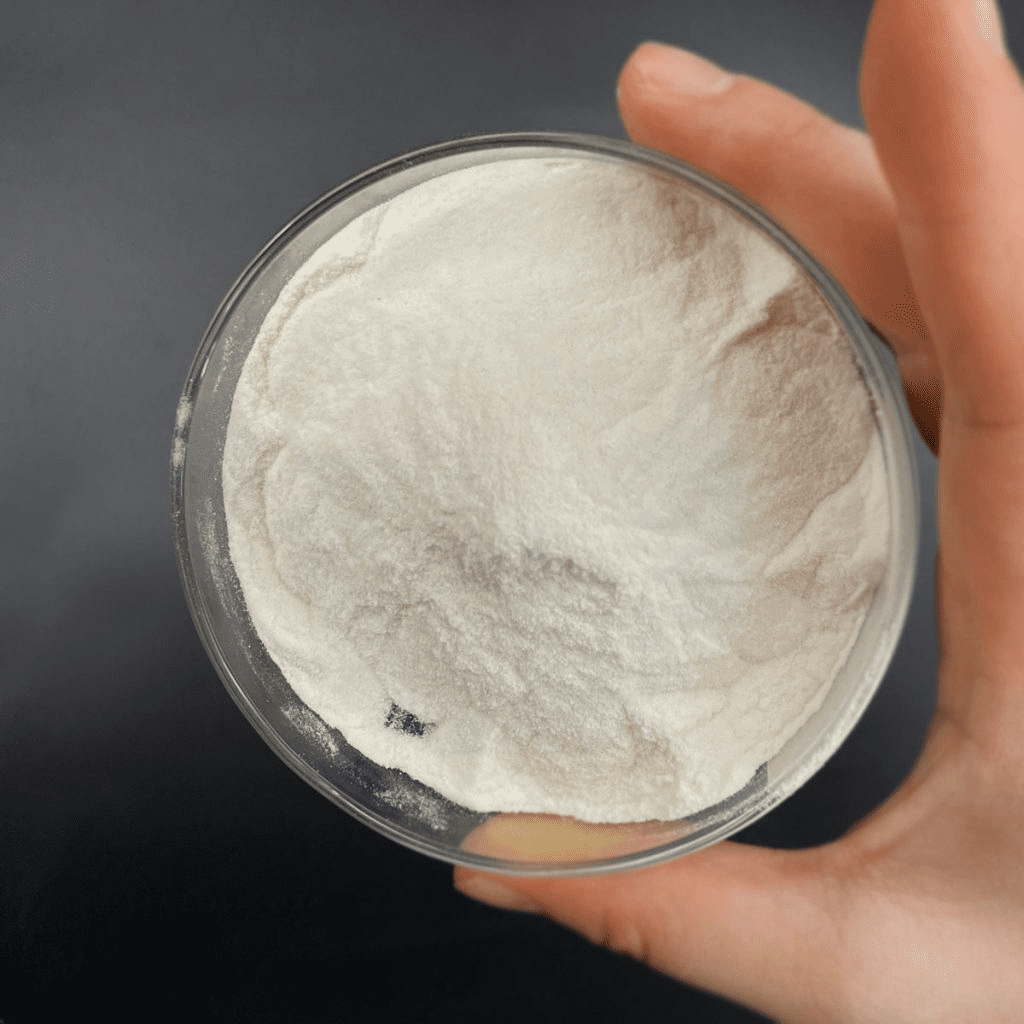
The problem of material options extends beyond simple thermal performance to incorporate factors such as mechanical properties, processability, cost-effectiveness, and environmental influence. This extensive analysis will certainly explore the mysterious intricacies of these three amazing materials, giving you the nuanced understanding needed to make an astutely informed decision for your procedures. We will certainly discover their fundamental homes, thermal mechanisms, benefits, constraints, and ideal applications, ultimately assisting you toward the ideal selection for your details needs.
2. Essential Characteristics and Thermal Insulation Systems
2.1 Molecular Style and Structural Configuration
The remarkable shielding capabilities of these products originate from their carefully crafted nanostructures. Fumed silica contains detailed three-dimensional aggregates of amorphous silica nanoparticles with particle sizes typically around 12 nm, which create chain-like frameworks approximately 120 nm in size that additionally agglomerate into bigger networks. This intricate pecking order develops a labyrinthine path that significantly hampers heat transfer. The product is non-porous at the main particle degree but produces an extensive tortuous network via random gathering, causing a high surface area varying from 80– 350 m ²/ g.
Aerogels, on the other hand, provide an exciting nanostructure of low-density three-dimensional settings up of silica nanoparticles sprinkled with elaborate nanopores. This angelic design provides their fabulous status as amongst the globe’s best insulating products, with thermal conductivity as low as 13.0 mW/mK at room temperature. The product’s almost macabre composition– usually over 90% air– produces an exceptionally reliable obstacle against warm transfer with several devices concurrently.
Hollow glass microspheres employ a greatly different approach, consisting of minute spherical bits largely composed of borosilicate with hollow interiors. These microscopic vessels range in density from 0.2 to 0.6 g/cm six and produce discrete air pockets within their cores. Unlike the continuous nanoporous networks of aerogel and fumed silica, HGMs function as specific insulating cosmos, each capturing still air within its sealed chamber and collectively creating an awesome barrier to warmth circulation when packed together.
2.2 The Numerous Systems of Thermal Resistance
These products employ innovative multiphase approaches to battle warm transfer. The key device shared by all three is the resourceful entrapment of air within their frameworks, considerably lowering aeriform transmission. Aerogels stand out via their nanoconfinement effect, where the pore dimensions come close to the mean free path of air molecules (around 68 nm), severely limiting air molecule collisions and thus reducing heat transfer. This innovative sensation enables aerogels to accomplish thermal conductivities unmatched by typical insulation products.
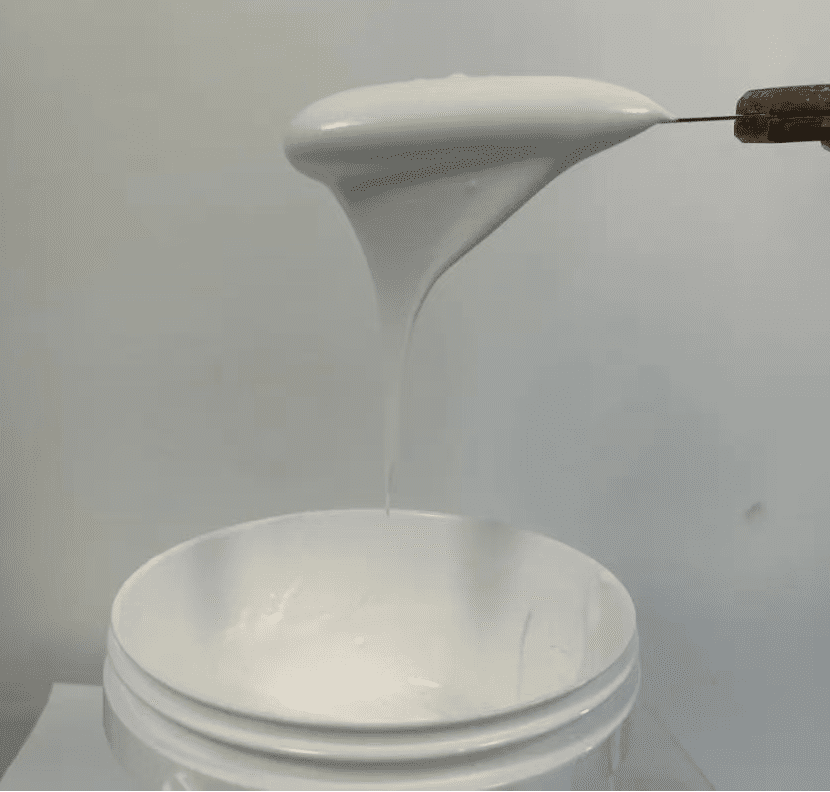
Fumed silica operates on a similar concept, yet with a denser solid matrix. Its pseudoplastic rheological actions allow it to form independent protecting layers that keep their structural integrity under stress and anxiety. When subjected to shear pressures, the tertiary agglomerate frameworks temporarily break down, permitting simple application, before changing when the stress and anxiety are removed– a large field of materials engineering that combines ease of processing with exceptional performance.
Hollow glass microspheres harness the power of alternate insulation, where each microsphere operates as an independent thermal barrier. The still air encapsulated within each hollow core provides outstanding resistance to warm transfer, while the round geometry produces a tortuous path for warmth flow via the solid material. In addition, the glass composition itself– generally borosilicate– conveys important fire resistance in residential or commercial properties, making HGMs specifically useful in high-temperature applications where safety is paramount.

3. Efficiency Comparison: Thermal Properties and Effectiveness Metrics
3.1 Measurable Thermal Conductivity Benchmarks
The low thermal conductivity of aerogels is due to their nano arrest result and mesoporous structures, which properly prevent 3 heat transfer systems: transmission, convection and radiation. The material has a virtually miraculous ability to incapacitate air particles within its nanopores, setting almost the best obstacles for thermal biking.
The thermal effectiveness of gas-phase silica is extremely considerable; however, its thermal performance mainly depends on the torturous process it creates for heat transfer through the aggregated nanoparticle network. Although in outright terms, the efficiency of fumed silica is slightly lower than that of aerogel, in a number of industrial applications, fumed silica generally provides an additional advantageous equilibrium between effectiveness, processability and cost.
The thermal effectiveness of hollow glass microspheres mostly relies on the product packaging thickness and fragment size distribution. Research study has actually revealed that tactical blending of HGM with numerous other products can develop shocking harmony; for example, they can be directly incorporated into the stringent polyurethane foam to create composite products with improved thermal and fire-resistant residential or commercial properties. In a remarkable development, scientists have actually created an HGM composite product composed of cellulose fibers and carbon black, with a thermal conductivity of around 0.025 W/m · K, lower than that of any type of solitary component alone.
3.2 Thermal Security and High-Temperature Performance
Past mere insulation value, thermal stability under severe conditions often determines material suitability for demanding applications. Aerogels exhibit outstanding thermoresistant attributes, maintaining their architectural stability and insulating efficiency at temperatures up to 500-600 °C. This resilient endurance makes them ideal for aerospace, vehicle, and commercial handling applications where both performance and safety are critical.
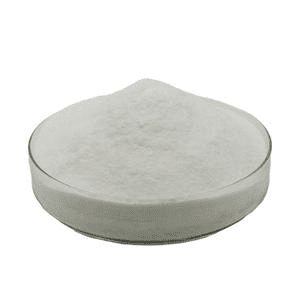
Hollow glass microspheres, composed largely of borosilicate glass, show extraordinary fire resistance and thermal security, standing up to temperatures up to 600 ° C while maintaining their structural integrity. Their inorganic structure renders them non-combustible and incapable of generating smoke or hazardous gases when subjected to fire– a crucial safety advantage in building materials and transportation applications.
Fumed silica shares similar high-temperature strength owing to its inorganic silica makeup. Nonetheless, its performance can be influenced by the level of hydrophobization imparted by surface area treatments. While without treatment fumed silica is inherently hydrophilic, various silane treatments– including dimethyl-dichloro-silane (DDS), trimethoxy-octyl-silane (TMOS), and hexamethyl-di-silazane (HMDS)– can render it hydrophobic for applications where moisture resistance is necessary.
4. Mechanical Properties and Structural Considerations
4.1 Toughness, Sturdiness, and Load-Bearing Capability
The powerful obstacle of stabilizing phenomenal insulation with mechanical robustness challenges many innovative materials. Aerogels, regardless of their magnificent thermal efficiency, experience fundamental frailty and brittleness. Their nanostructured networks, while outstanding for impeding heat circulation, lack the structural integrity to withstand considerable mechanical stress without fracturing. This restriction has actually restricted their industrial application in scenarios requiring any kind of degree of mechanical durability.
Hollow glass microspheres provide a really different mechanical account, supplying amazing compressive strength relative to their minimal density. Specific microspheres can endure significant hydrostatic stress, with collapse toughness differing based on diameter-to-wall-thickness proportions. When incorporated into composite products, they give this strength while maintaining reduced thickness, creating what designers term syntactic foams– composite materials renowned for their positive strength-to-weight ratios.
Fumed silica displays unusual rheological residential properties that specify its mechanical attributes. Instead of developing rigid structures, it commonly works as a rheological modifier that imparts pseudoplastic actions to systems. When integrated right into finishings or compounds, it produces a reversible three-dimensional network that gives mechanical stability without brittleness. This large range of engineering makes it specifically useful in applications calling for both insulation and form security under dynamic problems.

4.2 Density and Mass Considerations
The memorable relevance of density in insulation products extends beyond plain weight considerations to impact transport expenses, structural assistance demands, and application opportunities. Aerogels are celebrated for their angelic agility, with thickness usually varying from 0.003 to 0.1 g/cm SIX. This remarkable combination of minimal mass and exceptional insulation stands for the pinnacle of the product’s scientific research accomplishment, though it comes with proportionate price effects.
Hollow glass microspheres exhibit densities ranging from 0.136 to 0.701 g/cm two depending on their structure and manufacturing parameters. This impressive agility, incorporated with their round geometry, permits high packaging densities and efficient area utilization– vital factors in applications where volume is constricted yet efficiency can not be endangered.
Fumed silica possesses greater obvious densities as a result of its aggregated nanoparticle framework, though when utilized as an additive in composites or coatings, it contributes minimally to overall weight. Its versatile integration into various matrices makes it possible for formulators to improve thermal efficiency without considerably increasing mass– a critical benefit in weight-sensitive applications like transport and aerospace.
5. Application Situations: Optimum Utilization Throughout Industries
5.1 Building and Building And Construction Executions
The gigantic energy hunger of the structure field– consuming 32% of worldwide energy and in charge for 33% of carbon discharges– makes it a prime prospect for innovative insulation products. Aerogels have actually demonstrated profound efficiency in building applications, with studies revealing that including simply 5 wt.% silica aerogel to rigid polyurethane foam minimized thermal conductivity by 21.6% compared to pure RPUF. Nevertheless, their existing cost framework limitations are extensive, fostering specialized applications where superior efficiency justifies the cost.
Hollow glass microspheres have been discovered to have considerable energy in construction materials, especially in syntactic foams and specialized composites, where their mix of reduced thermal conductivity and fire resistance provides distinct benefits. Their current assimilation with silica aerogels in composite porcelains has actually yielded materials with synergistic efficiency– 27% reduction in thermal conductivity compared to HGM porcelains alone, combined with super-hydrophobicity.
Fumed silica adds dramatically to developing performance via its role in high-performance finishes, sealers, and specialized composites. Its capacity to impart both thermal resistance and rheological control makes it specifically valuable in intricate application circumstances where products should perform multiple functions simultaneously. The transformative potential of these sophisticated materials in construction remains to expand as researchers develop even more affordable production techniques and novel composite formulas.
5.2 Industrial and Specialized Applications
Beyond constructing insulation, these materials discover amazingly varied applications across markets. Aerogels have actually come to be important in offshore oil and gas pipelines, aerospace systems, and specialized auto applications where their unsurpassed thermal performance justifies their cost. The blossoming electric vehicle market especially values aerogels for battery thermal management, where they stop thermal runaway while reducing weight and space needs.
Hollow glass microspheres have actually changed various industrial industries, serving as lightweight fillers in composites for automobile elements, buoyancy products for marine applications, and efficiency enhancers in coatings and adhesives. Their market growth proceeds at an outstanding 8.7% CAGR, forecasted to reach USD 7.1 billion by 2031– a resounding testament to their versatility and efficiency throughout applications.
Fumed silica keeps a formidable visibility across commercial sectors, with specific dominance in layers, adhesives, sealants, and elastomers where its dual performance as both rheological modifier and thermal performance enhancer produces engaging worth proposals. Its robust market setting shows the material’s steady dependability and efficiency across a wide range of applications and environmental problems.
Supplier
RBOSCHCO is a trusted global Fumed Silica and Aerogel and Hollow Glass Microspheres supplier & manufacturer with over 12 years experience in providing super high-quality chemicals and Nanomaterials. The company export to many countries, such as USA, Canada, Europe, UAE, South Africa,Tanzania,Kenya,Egypt,Nigeria,Cameroon,Uganda,Turkey,Mexico,Azerbaijan,Belgium,Cyprus,Czech Republic, Brazil, Chile, Argentina, Dubai, Japan, Korea, Vietnam, Thailand, Malaysia, Indonesia, Australia,Germany, France, Italy, Portugal etc. As a leading nanotechnology development manufacturer, RBOSCHCO dominates the market. Our professional work team provides perfect solutions to help improve the efficiency of various industries, create value, and easily cope with various challenges. If you are looking for Fumed Silica and Aerogel and Hollow Glass Microspheres, please feel free to contact us.
Tags:micro silica,aerogel for sale,glass microspheres
RELATED POSTS
Tungsten Disilicide: Core Characteristics and Application Analysis of High-Performance Industrial Materials
Silicon Nitride vs. Boron Nitride Ceramic Shafts: A Comprehensive Comparison and Applications Overview
Titanium Nitride Powder Shatters Boundaries: A Revolutionary Force in Global Industrial Supply Chains

Zirconia vs Silicon Nitride Ceramic Rings: Key Differences, Properties, and Applications

Alumina vs. Zirconia Ceramic Plates: Key Differences
