Professional and high-quality metal alloys, ceramic products and concrete additives | RBOSCHCO

Sodium Silicate Powder, also known as sodium silicate dust or powdered water glass, is an inorganic compound with the chemical formula Na₂O·nSiO₂, which is a powdered form of sodium silicate processed through drying, crushing, and other processes. As a cost-effective, environmentally friendly,y and multi-functional industrial raw material, it has been widely used in the chemical industry, construction, textiles, metallurgy, food processing, and many other fields. With the continuous upgrading of global industrial technology and the increasing demand for green and efficient materials, Sodium Silicate Powder has gradually become a core raw material in many industrial chains, and its market demand is showing a steady growth trend. This blog will comprehensively introduce the basic knowledge, physical and chemical properties, application fields, product advantages, storage and transportation methods of Sodium Silicate Powder, and compare it with similar materials, helping you fully understand this versatile inorganic material and provide professional reference for your procurement and application.
What is Sodium Silicate Powder?
Basic Definition and Classification
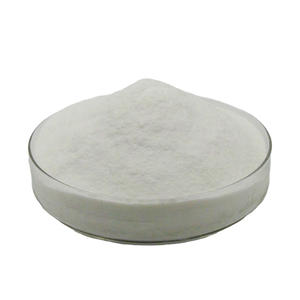
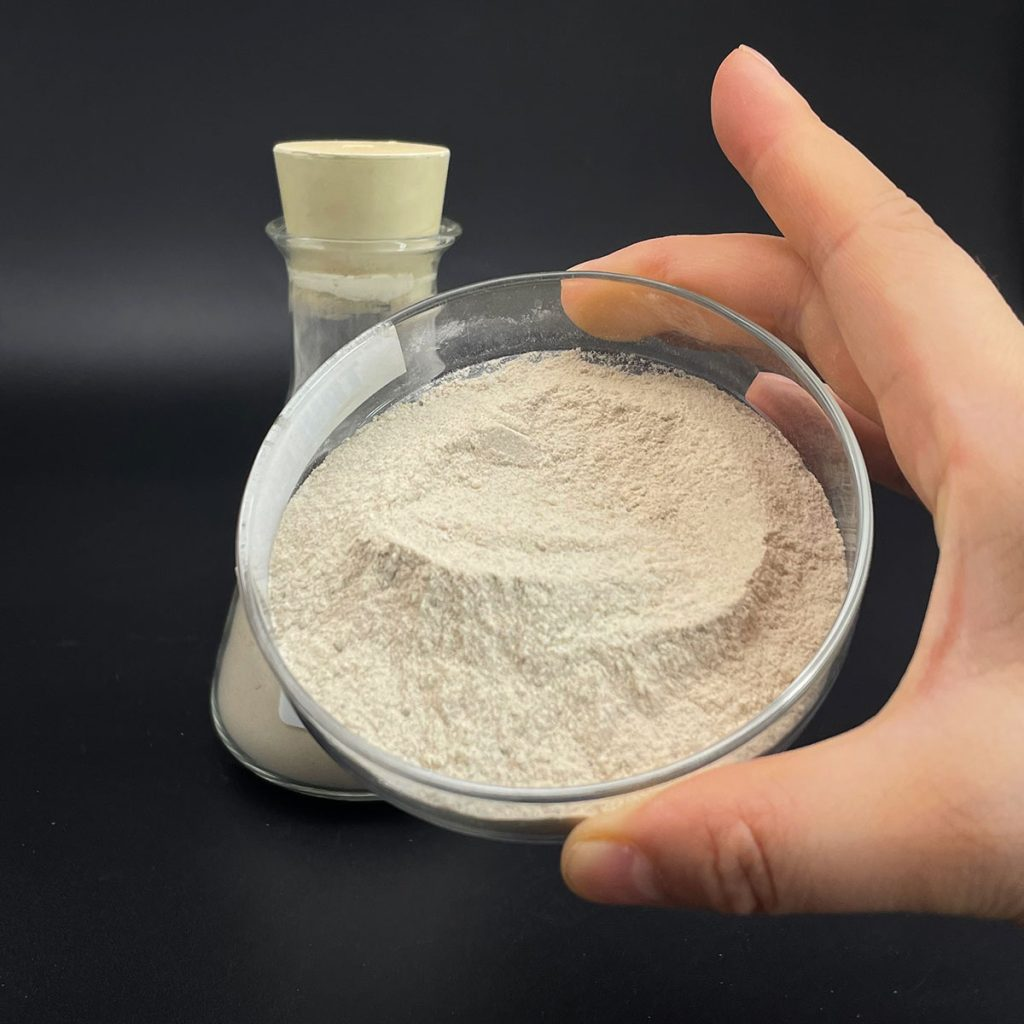
Sodium Silicate Powder is a soluble inorganic silicate, which is usually obtained by drying and crushing liquid sodium silicate (water glass) through professional processes. Its appearance is white or off-white powder, odorlessnon-flammablebl,e and non-volatile, and it is easy to absorb moisture and agglomerate when exposed to air. According to the molar ratio of silicon dioxide (SiO₂) to sodium oxide (Na₂O) (called “modulus”), Sodium Silicate Powder can be divided into low modulus (1.5-2.5), medium modulus (2.5-3.5) and high modulus (3.5-4.0) three categories, and different modulus products have obvious differences in properties and application fields, which can meet the personalized needs of different industries and scenarios.
Production Process
The production of Sodium Silicate Powder mainly includes two core processes: raw material preparation and deep processing, and the common production methods are divided into dry method and wet method, amowhich thee h dry method is more widely used in industrial mass production due to its mature technology and stable product quality:
- Dry Production: First, quartz sand and soda ash (sodium carbonate) are mixed evenly according to a certain ratio, melted at a high temperature of 1400-1500℃ to form molten sodium silicate, then cooled and solidified into block sodium silicate, and finally dried, crushed, and sieved to obtain Sodium Silicate Powder with uniform particle size. This method has the advantages ofa high raw material utilization rate, stable modulus control, and low environmental pollution, and is suitable for producing medium and high modulus Sodium Silicate Powder.
- Wet Production: Using quartz sand and liquid sodium hydroxide as raw materials, react in a pressure kettle under the condition of steam heating (2-3 atmospheres) to generate liquid sodium silicate, then concentrate, dry,y and crush to obtain powdered products. The wet process has the characteristics of low reaction temperature and low energy consumption, but it is difficult to produce high modulus Sodium Silicate Powder, so it is mostly used in the production of low modulus products for daily chemical and light industry fields.
| Performance Indicator | Low Modulus (1.5-2.5) | Medium Modulus (2.5-3.5) | High Modulus (3.5-4.0) |
|---|---|---|---|
| Appearance | White fine powder, good fluidity | White or off-white powder, with a slightly agglomerated tendency | Off-white powder, easy to absorb moisture |
| Solubility (20℃) | Fast dissolution, complete dissolution in cold water | Dissolves in warm water, moderate dissolution rate | Slow dissolution, needs stirring in hot water |
| pH Value (1% aqueous solution) | 12.5-13.0 (strong alkalinity) | 12.0-12.5 (medium alkalinity) | 11.5-12.0 (weak alkalinity) |
| Thermal Stability | Stable below 800℃, decomposes at high temperatures | Stable below 1000℃, good heat resistance | Stable below 1100℃, excellent high temperature resistance |
| Particle Size (Customizable) | 80-200 mesh | 100-250 mesh | 120-325 mesh |
Key Chemical Properties
Sodium Silicate Powder has typical chemical properties of silicate, which are mild in reaction, stable in performance, and not easy to burn. Its core chemical properties are mainly reflected in the following aspects:
- Hydrolysis: As a weak acid and strong base salt, Sodium Silicate Powder will hydrolyze when dissolved in water to generate sodium hydroxide and silicic acid, making the aqueous solution alkaline. The hydrolysis degree is related to the modulus: the lower the modulus, the stronger the alkalinity and the more obvious the hydrolysis reaction; the higher the modulus, the weaker the alkalinity and the more stable the aqueous solution.
- Acid-base Reaction: It can react with inorganic acids (such as sulfuric acid and hydrochloric acid) and organic acids to generate white colloidal silicic acid precipitation, which is widely used in water treatment, sewage purification, and other fields. At the same time, it can also react with alkaline substances to maintain stability, and is not easy to decompose under alkaline conditions.
- Hardening Property: When the aqueous solution of Sodium Silicate Powder is in contact with carbon dioxide in the air, it will slowly react to generate silicic acid gel, which will gradually dry and harden to form a dense film with good adhesion and wear resistance. This property makes it an excellent adhesive and curing agent in the construction and casting industries.
- Complexation: It can form stable complexes with metal ions (such as calcium, magnesium, and aluminum), which can soften water quality, remove impurities, and is often used as an auxiliary agent in detergents and water treatment agents.
It should be noted that Sodium Silicate Powder has certain corrosiveness (related to modulus), and direct contact with skin and eyes should be avoided during use; it is non-toxic and will not cause environmental pollution when used and disposed of in accordance with specifications, which meets the environmental protection standards of the European Union, the United States and other major export markets (such as REACH, FDA certification).
Application Fields of Sodium Silicate Powder
Due to its excellent physical and chemical properties and cost-effectiveness, Sodium Silicate Powder has a wide range of applications, covering more than 20 industries such as construction, chemical industry, textiles, metallurgy, food processing, and new energy. Different modulus products are targeted at different application scenarios, and the market demand is scattered and stable. The following are the core application fields:
1. Construction Industry: Green and Efficient Auxiliary Material
The construction industry is the largest application field of Sodium Silicate Powder, accounting for about 35% of the total demand. Its excellent adhesion, hardening, and water resistance make it widely used in concrete, wall materials, waterproof materials, and other products:
- Concrete Admixture: Adding an appropriate amount of Sodium Silicate Powder to concrete can improve the strength, compactness,s and impermeability of concrete, accelerate the curing speed, and is suitable for fast-construction projects such as highways, bridges, es and high-rise buildings. At the same time, it can also reduce the shrinkage rate of concrete and avoid cracks, extending the service life of the project.
- Wall Material Binder: It is mixed with fly ash, sand, lime,ime and other raw materials to make wall bricks, aerated concrete blocks,ocks and other products, which can improve the adhesion and strength of the products, reduce the weight of the wall, and have the effects of heat preservation and sound insulation. It is a green and environmentally friendly wall material auxiliary agent.
- Waterproof and Plugging Agent: Dissolve Sodium Silicate Powder in water to make a waterproof coating, which can be applied to the surface of roofs, basements, and other parts to form a dense waterproof film, with good water resistance and durability. It can also be used as a plugging agent for wall cracks and pipeline leaks, with fast plugging speed and good effect.
2. Chemical Industry: Core Raw Material for Fine Chemicals
In the chemical industry, Sodium Silicate Powder is an important raw material for the production of fine chemicals, with a wide range of uses and high added value, accounting for about 25% of the total demand:
It is the main raw material for producing silica gel, white carbon black, zeolite molecular sieve, and other products. For example, reacting Sodium Silicate Powder with sulfuric acid can produce white carbon black, which is widely used in rubber, plastic, paint, and other fields to improve the performance of products. It can also be used as a raw material for water treatment agents, such as flocculants and water softeners, which can remove suspended solids, heavy metal ions,s and other impurities in water, and is suitable for industrial sewage treatment and domestic water purification. In addition, it is also used as an auxiliary agent in the production of detergents, such as detergent builders, which can soften water quality, enhance decontamination ability, and reduce the damage of detergents to clothes. With the continuous development of the fine chemical industry, the demand for high-purity Sodium Silicate Powder is increasing day by day.
3. Textile Industry: Auxiliary Agent for Fabric Processing
In the textile industry, Sodium Silicate Powder is used as a sizing agent, bleaching agent,nt and dyeing auxiliary, accounting for about 15% of the total demand:
As a fabric sizing agent, it can form a protective film on the surface of the yarn, improve the strength and wear resistance of the yarn, reduce the breakage rate during weaving, and is suitable for cotton, linen, chemical fiber, ber and other fabrics. As a bleaching auxiliary, it can stabilize the bleaching agent, improve the bleaching effect, make the fabric color brighter, and avoid the damage of the bleaching agent to the fabric. As a dyeing auxiliary, it can improve the adsorption capacity of the fabric to dyes, make the dyeing more uniform, improve the color fastness, and reduce the loss of dyes. It is non-toxic and environmentally friendly, and will not cause damage to the fabric and human body, which meets the environmental protection requirements of the global textile industry.
4. Other Emerging Application Fields
With the continuous upgrading of industrial technology, Sodium Silicate Powder has gradually expanded to emerging fields such as new energy, food processing, and cultural relic protection, showing broad market prospects:
- New Energy Field: Medium and high modulus Sodium Silicate Powder is used as a binder for photovoltaic module frames and battery electrodes, which can improve the adhesion and high temperature resistance of the products, and is an important auxiliary material for the photovoltaic industry. With the global promotion of new energy, the demand in this field is growing at a rate of 12% per year.
- Food Processing Field: Food-grade Sodium Silicate Powder (meeting FDA and SC certification) is used as a food preservative and filter aid, such as egg preservation and brewing industry filter aid, which can extend the shelf life of food and improve the purity of food. The demand in this field is growing at a rate of 12% per year, with broad prospects.
- Cultural Relic Protection Field: Modified Sodium Silicate Powder is used for the protection of cultural relics such as murals and stone carvings, which can form a protective film on the surface of cultural relics, prevent weathering and corrosion, and have the characteristics of reversibility and compatibility, which is widely used in cultural relic protection projects around the world.

Sodium Silicate Powder vs Similar Materials: Advantages and Differences
In industrial production, Sodium Silicate Powder is often compared with similar materials such as white carbon black and sodium metasilicate. Understanding their differences and advantages can help enterprises choose more suitable raw materials and reduce production costs. The following is a detailed comparison:
1. Comparison with White Carbon Black
| Comparison Index | Sodium Silicate Powder | White Carbon Black |
|---|---|---|
| Chemical Composition | Na₂O·nSiO₂ (inorganic silicate) | SiO₂ (silicon dioxide) |
| Physical Properties | Rubber reinforcement agent, plastic filler, paint, and ink additive | Small particle size, large specific surface area, strong adsorption |
| Application Focus | Binder, water treatment agent, building auxiliary agent, detergent auxiliary agent | Rubber reinforcement agent, plastic filler, paint and ink additive |
| Cost | Low, 30%-50% lower than white carbon black | High, high production cost |
| Environmental Performance | Non-toxic, recyclable, low environmental pollution | Non-toxic, but easy to generate dust pollution during use |
2. Comparison with Sodium Metasilicate
Sodium metasilicate (chemical formula: Na₂SiO₃·nH₂O) is a hydrate of sodium silicate, which is similar to Sodium Silicate Powder in composition, but there are differences in properties and application fields:
In terms of chemical structure, sodium metasilicate is a hydrate form of sodium silicate, while Sodium Silicate Powder is an anhydrous powdered product. In terms of physical properties, sodium metasilicateusually lly white crystalline powder, which dissolves faster in water and has stronger alkalinity. Sodium Silicate Powder has adjustable particle size and modulus, and is more stable in storage and transportation. In terms of application fields, sodium metasilicate is mainly used in detergent auxiliaries and metal surface treatment; Sodium Silicate Powder has a wider application range, covering construction, chemical industry, textiles, new energy, and other fields. In terms of cost, Sodium Silicate Powder is 15%-25% lower than sodium metasilicate, and has more obvious cost advantages in large-scale industrial applications. In addition, Sodium Silicate Powder can be customized according to the modulus and particle size required by customers, while the performance of sodium metasilicate is relatively fixed and difficult to meet personalized needs.
Supplier
RBOSCHCO is a trusted global Sodium Silicate Powder supplier & manufacturer with over 12 years of experience in providing super high-quality chemicals and Nanomaterials. The company export to many countries, such as USA, Canada, Europe, UAE, South Africa, Tanzania, Kenya, Egypt, Nigeria, Cameroon, Ugand, Turkey, Mexico, Azerbaijan Be lgium, Cyprus, Czech Republic, Brazil, Chile, Argentina, Dubai, Japan, Korea, Vietnam, Thailand, Malaysia, Indonesia, Australia, Germany, France, Italy, Portugal etc. As a leading nanotechnology development manufacturer, RBOSCHCO dominates the market. Our professional work team provides perfect solutions to help improve the efficiency of various industries, create value, and easily cope with various challenges. If you are looking for Sodium Silicate Powder, please feel free to contact us.
RELATED POSTS

Exploring the Multifaceted World of Metal Oxides: A Comparative Analysis of Tin Oxide, Chromium Oxide, and Nickel Oxide
Tungsten Disilicide: Core Characteristics and Application Analysis of High-Performance Industrial Materials
Cost Analysis of High-Purity MAX Phase Ti2AlC Powder: How Do Purity and Particle Size Affect Its Price?
Revolutionizing Industrial Lubrication: The Quiet Power of Tungsten Disulfide
Lithium Nitride Powder Ignites Global Energy Revolution: Why Li₃N Is Redefining Industrial Priorities
