Professional and high-quality metal alloys, ceramic products and concrete additives | RBOSCHCO

Abstract: With the rapid development of strategic emerging industries such as 5G communication, new energy vehicles, artificial intelligence, and high-end equipment manufacturing, unprecedentedly high requirements have been put forward for the heat dissipation and packaging of core electronic devices. Aluminum nitride (AlN) ceramics, with their excellent thermal conductivity, reliable electrical insulation, and thermal expansion coefficient matched with silicon chips, are rapidly moving from a special material to the center stage of industrial applications. This article will comprehensively analyze the market prospects of global and Chinese aluminum nitride ceramic products from multiple dimensions, including market size and driving factors, deepening and expansion of application fields, competitive landscape and technological trends, as well as challenges and prospects.
1. Market situation and core driving forces
1. Market size and growth trend
The global aluminum nitride ceramic market is experiencing a period of rapid growth. According to reports from multiple authoritative market research institutions, the global market size has exceeded hundreds of millions of dollars in 2023 and is expected to continue expanding at a compound annual growth rate of over 15% in the next five years. The Asia Pacific region, especially China, has become the fastest-growing and most promising market in the world with its vast electronic manufacturing base and active industrial upgrading policies. This growth is not only reflected in the traditional electronic packaging substrate field, but also in the continuous emergence and volume of emerging application scenarios.
2. Analysis of core driving factors
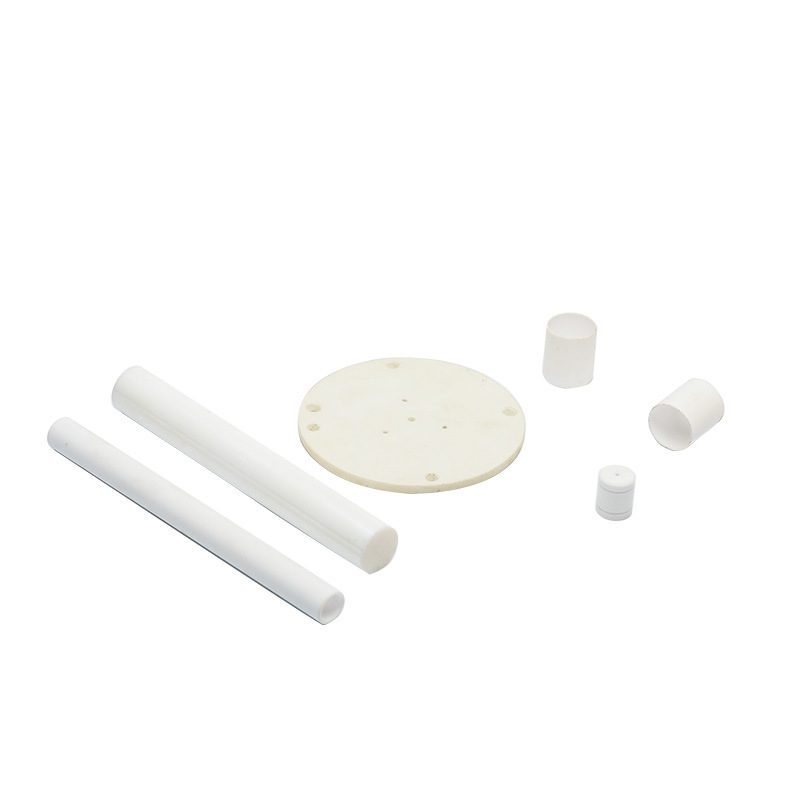
The rigid demand for technological upgrading: Semiconductor technology follows Moore’s Law to develop towards higher integration and higher power density, and the heat generated by chips increases exponentially. Traditional aluminum oxide (Al ₂ O3) substrates are approaching their thermal conductivity limit (~30 W/(m · K)), while aluminum nitride ceramics (170-230 W/(m · K)) have become a key material to solve the “thermal barrier” problem, and their demand has changed from “optional” to “mandatory”.
Explosive growth of downstream industries:
5G and RF communication: Massive MIMO antennas and power amplifiers (PA) in 5G base stations have extremely demanding heat dissipation requirements for high frequency and high power, and AlN ceramic substrates are the core components to ensure their reliability and signal integrity.
New energy vehicles and power electronics: The electric drive system, on-board charger (OBC), direct current converter (DC-DC), and more advanced silicon carbide (SiC)/gallium nitride (GaN) power modules of electric vehicles have high operating junction temperature and high power density. AlN ceramic heat dissipation liner, insulated metal substrate (IMS), and direct bonded copper (DBC) substrate are ideal choices.
LED and laser industry: AlN is widely used as a heat dissipation substrate for high brightness LEDs (especially UV-LED, Micro LED) and high-power laser diodes (LD) due to its excellent thermal conductivity and insulation properties.
Policy and supply chain security assistance: The global emphasis on the independent and controllable semiconductor industry chain has reached an unprecedented height. China’s 14th Five-Year Plan and other national-level strategies have listed third-generation semiconductors and high-end packaging materials as key development areas, providing strong policy support and market orientation for key supporting materials such as AlN ceramics, accelerating the process of domestic substitution.
2. Deepening application fields and emerging growth points
The application of aluminum nitride ceramics is expanding from traditional fields to broader spaces.
1. Core application areas continue to deepen
Electronic packaging substrate: still the largest application market currently. Including multi-layer wiring ceramic packaging, high-temperature co-fired ceramics (HTCC), DBC/AMB (active metal brazing) substrates, etc. With the upgrading of integrated circuits and power modules, the requirements for dimensional accuracy, wiring density, and reliability of AlN substrates are increasing.
Semiconductor manufacturing equipment: AlN ceramics are used in semiconductor etching, deposition and other process chambers to manufacture key components such as electrostatic suction cups (ESCs), gas distribution disks, heaters, etc. Their high purity, plasma corrosion resistance, and high thermal conductivity are irreplaceable.
2. Emerging and Potential Growth Points
Third-generation semiconductor packaging: SiC and GaN devices operate at much higher temperatures than traditional silicon-based devices, placing higher demands on the heat resistance and thermal conductivity of packaging materials. AlN ceramics are an ideal material for matching third-generation semiconductor packaging, and are expected to grow rapidly in sync with the explosion of the SiC/GaN market.
Aerospace and Defense: Used for heat dissipation and packaging of phased array radar T/R modules, high-power microwave devices, and aerospace electronic equipment, requiring materials to work under extreme temperature changes and high reliability. AlN has significant advantages.
Expansion of Thermal Management Market: With the increase in power and demand for efficient thermal management solutions in areas such as server CPU cooling, photovoltaic inverters, and industrial frequency converters, the application of AlN ceramic heat sinks and substrates is expected to be extended.
Other high-tech fields: such as being used as high-performance structural ceramics in special environments that require high thermal conductivity and high hardness; Used in medical equipment for high-power ultrasound transducers, etc.
3. Competitive landscape, technological barriers, and development trends
1. Global competitive landscape
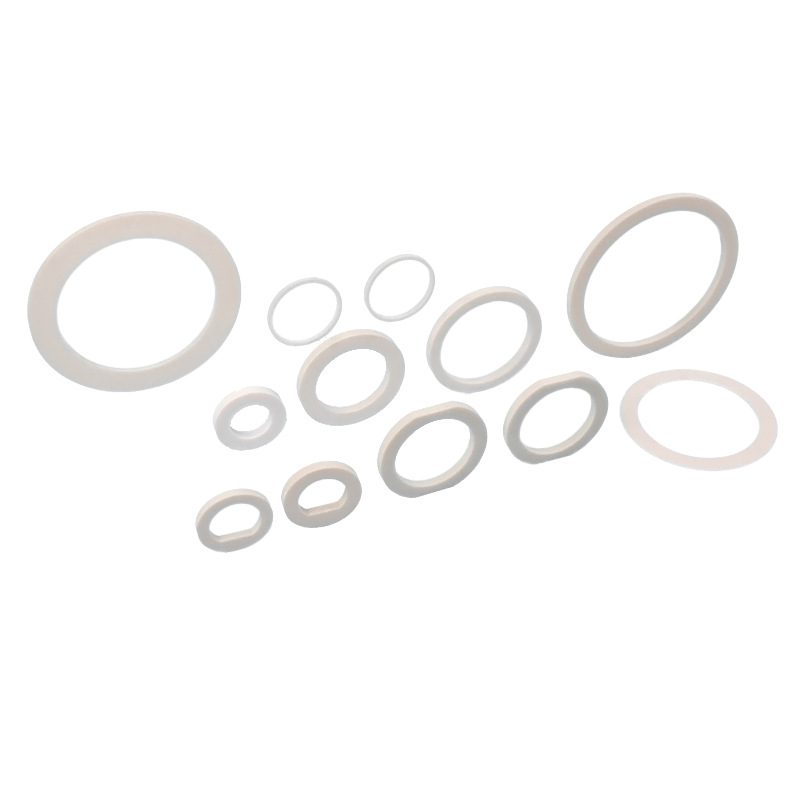
The global aluminum nitride ceramic market presents characteristics of oligopoly competition and technology intensity. Japanese companies such as Kyocera, Toshiba, Nippon Denko, and Maruwa have long dominated the high-end market with their deep technological accumulation and first-mover advantage in the field of advanced ceramics, especially in the field of high-purity and high-precision AlN components for semiconductor equipment. There are also some leading companies in the United States and Europe. In recent years, Chinese enterprises have made rapid progress, and a number of excellent enterprises have emerged. However, there is still a certain gap with overseas leaders in terms of product consistency, manufacturing processes for high-end complex components, and raw material powder performance. Currently, breakthroughs have mainly been made in the mid to low-end market and some domestic substitution fields.
2. Key technological barriers
Powder technology: The stable batch preparation of high-purity, ultrafine, low oxygen content, and high sintering active AlN powder is the primary barrier. The performance of the powder directly determines the thermal conductivity and reliability of the final ceramic.
Forming and sintering process: Precision forming (such as casting, injection molding) and defect-free sintering technology for large-sized, thin, and complex-shaped AlN products are difficult points. Accurate control of sintering aids, atmosphere, and temperature curves is required to achieve high density, high thermal conductivity, and excellent mechanical properties.
Precision machining and metallization technology: AlN has high hardness, and proprietary technology is required for high-precision, low-damage cutting, drilling, and surface grinding. The reliable bonding (DBC/AMB) technology with metals such as copper, molybdenum, and tungsten is also a core process for high-value-added products.
3. Future technological development trends
Low-cost process: Developing new powder synthesis routes (such as carbon thermal reduction optimization), reducing sintering temperature, and improving material utilization to reduce overall costs and broaden market applications.
High performance and high reliability: By means of powder modification, addition of second phase, optimization of microstructure, etc., the mechanical strength (especially fracture toughness) and thermal shock resistance of AlN ceramics are further improved while maintaining high thermal conductivity.
Integration and functionalization: Developing AlN ceramic substrates with embedded resistors/capacitors, multi-layer co-firing, three-dimensional structure integration and other technologies to achieve better electrical performance and system integration.
Large size and thinning: To meet the needs of high-power modules and advanced packaging, developing AlN substrates with larger areas (such as over 8 inches), thinner thicknesses (<0.25mm), and controllable warpage is an important direction.
4. Challenges, Risks, and Future Prospects
1. Main challenges and risks
The cost pressure remains significant: despite technological advancements, the cost of AlN ceramics is still much higher than that of Al ₂ O3, which, to some extent, limits its penetration speed in cost-sensitive markets. The price fluctuations of raw materials such as high-purity nitrogen, metallic aluminum, and sintering aids can also bring risks.
Technological iteration and substitution risks: Other thermal conductive materials, such as silicon nitride (Si3N4) ceramics, achieve a balance between mechanical properties and thermal conductivity (~90 W/(m · K)), competing in certain heat dissipation scenarios that require high mechanical strength. In addition, resin-based composite materials and metal-based composite materials have also become substitutes in the mid to low-end heat dissipation market.
Supply chain and geopolitical risks: High-end AlN powder and key production equipment (such as high-temperature sintering furnaces and precision processing equipment) still rely partially on imports, and complete autonomy and controllability of the industrial chain will take time. Changes in the international trade environment may have an impact on supply chain stability.
Talent and standard gap: There is a shortage of R&D and engineering application talents with interdisciplinary knowledge (materials, electronics, thermodynamics). Industry standards and testing evaluation systems need to be further improved and unified.
2. prospects
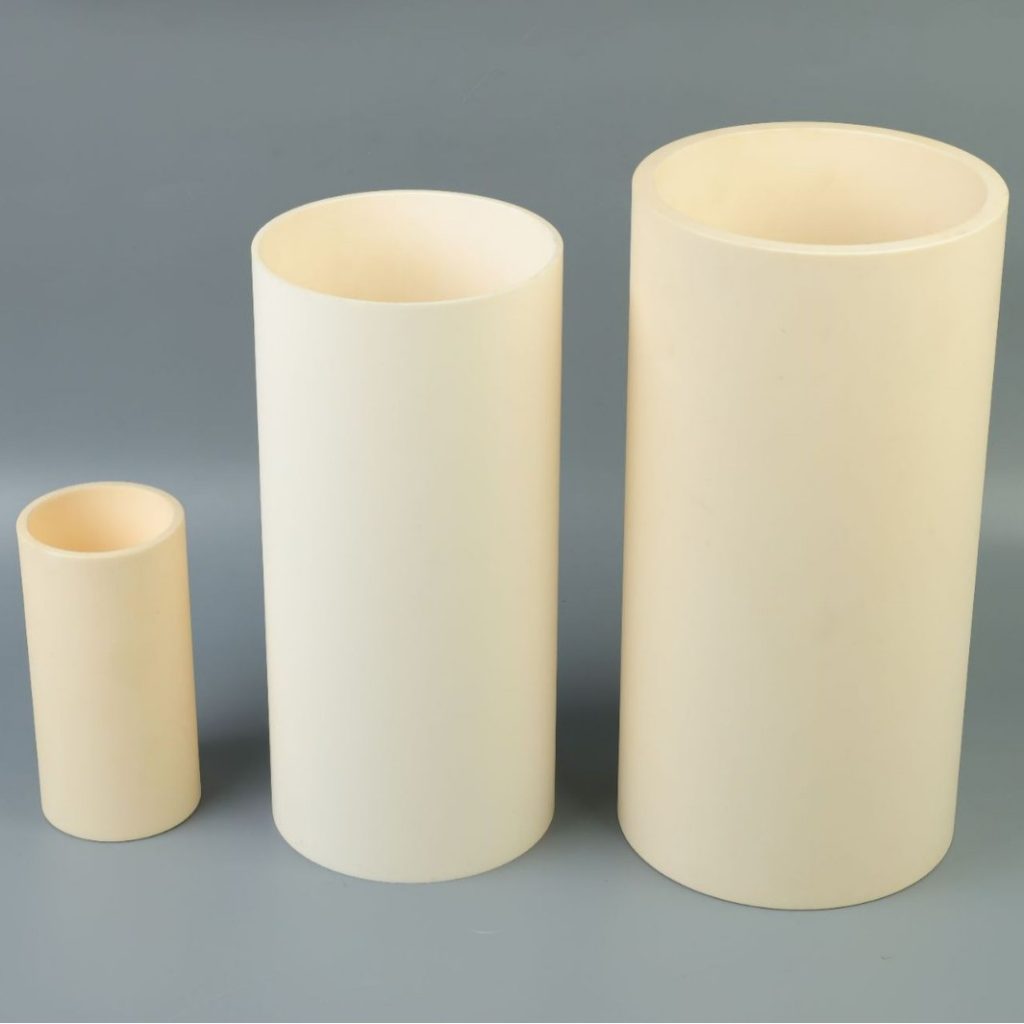
Despite facing challenges, the prospects of the aluminum nitride ceramic market remain broad and optimistic. Its growth logic is rooted in the irreversible upgrading trend of downstream high-tech industries. It is expected that the future market will present the following trends:
Market segmentation is becoming increasingly clear: the high-end market (semiconductor equipment, defense, cutting-edge research) will be dominated by international giants with top-notch technology and reliability; The mid-range and differentiated markets (consumer electronics, automotive electronics, industrial control) will provide huge opportunities for rapidly catching up Chinese enterprises, with vast space for localization substitution.
Strengthening collaborative innovation in the industrial chain: Vertical collaboration from powders and products to end applications (semiconductor design, module packaging) will be more closely integrated, jointly defining product specifications and promoting the development of integrated material device solutions.
Green manufacturing becomes the theme: With the increasing demand for environmental protection, energy-saving and waste recycling technologies in the production process will receive more attention.
Conclusion:
The market for aluminum nitride ceramic products is standing at a historic juncture. Its development is not only a growth story of the materials industry, but also a fundamental force supporting the upgrading of next-generation information technology, green energy, and intelligent equipment. For industry participants, only by continuously cultivating core technologies, breaking through key process bottlenecks, closely meeting downstream demands, and actively responding to supply chain challenges can industry participants seize the opportunity and win the future in this rapidly growing blue ocean market. As the world’s largest electronics manufacturing country and one of the most dynamic innovation markets, China is expected to play an increasingly important role in the global industrial landscape of aluminum nitride ceramics.
RELATED POSTS
Global Surge: Titanium Nanoparticles Redefine Industrial Frontiers Amid Green Energy Revolution!

Zirconia vs Silicon Nitride Ceramic Rings: Key Differences, Properties, and Applications
Changing Industries: The Rising Demand for SIC Grit in a Shifting Global Market

Revolutionizing the Global Advanced Materials Arena: The Ascendancy of Tantalum Carbide, Boron Carbide, and Zirconium Carbide in Cutting-Edge Industrial Marvels
Boron Powder and Boron Carbide: Performance and Application Comparison