Professional and high-quality metal alloys, ceramic products and concrete additives | RBOSCHCO

In modern plastic industry production, modification additives are the core key to ensuring the quality of plastic product molding, improving production efficiency, and extending product service life. Calcium Stearate, as a highly versatile plastic processing aid, is divided into two forms: powder and dispersion. With its unique chemical structure, it has excellent lubrication, demoulding, thermal stability, anti-aging and other multiple effects, and is widely used in the extrusion, injection molding, and calendering processes of PVC, PP, PE, ABS and other plastics. Traditional plastic processing often encounters problems such as poor melt flowability, mold sticking, rough surface of products, high-temperature aging degradation, and easy brittleness and cracking of finished products, which seriously affect production yield and product quality. Adding specialized calcium stearate additives can optimize process defects from both processing flow and finished product performance dimensions.
Basic physicochemical properties and adaptation principles of calcium stearate
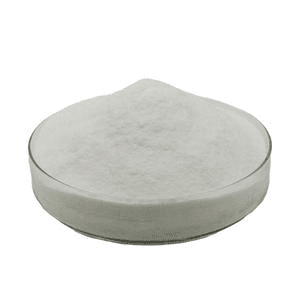
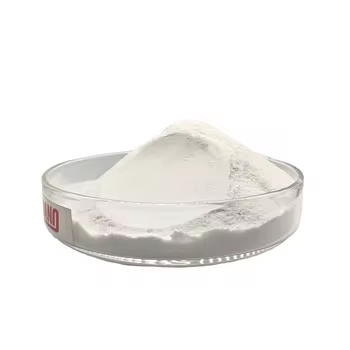
Calcium stearate is a metal soap compound generated by the reaction of stearic acid and calcium salts. Its conventional industrial application is mainly based on pure white and delicate calcium stearate powder, which is suitable for most plastic high-temperature processing systems and has excellent compatibility. Its molecular structure combines hydrophilic and oleophilic groups, with good surface activity. It can be uniformly dispersed in plastic resin melts without adverse reactions with the resin matrix, and can be used in conjunction with various pigments, fillers, and plasticizers. Compared with ordinary additives, calcium stearate has excellent thermal stability and will not decompose or fail in the conventional high temperature range of plastic processing. It can continuously exert its modification effect and is one of the most cost-effective multifunctional additives in plastic processing.
The core principle of enhancing efficiency in the processing of calcium stearate plastics
Calcium stearate can simultaneously realize the triple synergy of lubrication, demoulding and anti-aging in the plastic processing process, and the three mechanisms work together to comprehensively optimize the plastic processing technology and finished product performance.
1. Lubrication Efficiency Enhancement Principle: Reduce Melt Friction and Optimize Processing Flowability
Plastic resin has high friction between molecular chains in a high-temperature molten state, resulting in poor melt flowability. During processing, it is prone to problems such as uneven discharge, high screw load, and uneven product thickness. Calcium stearate, as an excellent internal and external lubricant, can uniformly penetrate the molecular chain gaps of plastic resins. Its hydrophobic long-chain alkyl structure can encapsulate resin molecules, significantly reducing the internal friction resistance between molecules and improving the overall fluidity and plasticity of the melt. At the same time, some calcium stearate will migrate to the contact surface of the melt equipment, forming a uniform lubricating film, reducing the external friction between the melt and the screw, barrel, and mold, effectively reducing the operating load of the equipment, reducing energy consumption, improving the processing speed and production stability of plastic extrusion and injection molding, and eliminating processing defects such as lagging, material breakage, and uneven patterns.
2. Principle of Demoulding Efficiency Enhancement: Form an isolation film to eliminate mold sticking defects
Mold sticking is a common problem in plastic injection molding and rolling processing, which not only causes product deformation, damage, and surface scratches but also increases mold cleaning costs and seriously reduces production efficiency. Calcium stearate has excellent interface isolation performance. During the plastic melt filling mold forming process, it will quickly migrate to the contact surface between the product and the mold, forming a thin, uniform, and dense isolation lubricating film. This film can completely block the direct adhesion between plastic melt and mold metal surface, reduce interfacial adhesion, and allow plastic products to easily detach from the mold after cooling and shaping, without the need for additional spraying of release agents. It can effectively eliminate defects such as sticking, pulling, and missing materials, improve the smoothness of products, simplify production processes, avoid pollution and secondary processing problems caused by external spray release agents, and is suitable for high-precision plastic product production.
3. Anti-aging synergistic principle: stabilizing molecular structure, delaying degradation and aging
Plastic is prone to molecular chain breakage, thermal degradation, and oxidative aging in high-temperature processing, long-term exposure to light, and air oxidation environments, resulting in problems such as yellowing, brittleness, decreased strength, and cracking of the product. Calcium stearate has excellent thermal stability and oxidation resistance, and is an effective anti-aging additive for plastics. During the high-temperature processing stage, it can capture free acidic radicals generated by resin decomposition, inhibit plastic thermal degradation reactions, and avoid material yellowing and carbonization during the processing. During the use of the finished product, it is evenly distributed inside the plastic matrix, which can block the erosion of resin molecules by oxygen and ultraviolet rays, delay the rate of plastic oxidation and aging, effectively improve the weather resistance, heat resistance, and structural stability of plastic products, and greatly extend the service life of the product.

The application advantages of calcium stearate in different plastic processes
Based on the principle of multiple efficiency enhancement, calcium stearate is adapted to various plastic processing techniques, targeting pain points in different production scenarios and adapting to diverse calcium steel uses.
1. PVC plastic processing
PVC belongs to thermosensitive plastics, which are prone to decomposition and aging during high-temperature processing, and have prominent problems with mold sticking. Adding calcium stearate can exert thermal stability, inhibit PVC thermal decomposition, provide excellent internal and external lubrication effects, balance melt flowability, and improve the surface smoothness of products. It is a core additive for PVC pipe, profile, and sheet processing.
2. Processing of Polyolefin Plastics
The friction coefficient of polyolefin plastics such as PP and PE is high during processing, and the difficulty of molding and demolding is great. Calcium stearate can optimize the rheological properties of the melt, reduce the difficulty of molding, improve demolding efficiency, and improve the glossiness of the plastic surface, avoiding roughness and peeling of the product and enhancing the appearance quality of the finished product.
3. Processing of modified filled plastics
Modified plastics with fillers such as calcium carbonate and talc powder have poor compatibility with the resin and are prone to agglomeration and delamination. Calcium stearate can perform surface activation modification on inorganic fillers, enhance the bonding strength between fillers and resins, improve processing flowability, avoid filler precipitation and product cracking, and improve the overall strength and stability of modified plastics.
Precautions for the use of plastic processing aids
To maximize the synergistic effect of calcium stearate, it is necessary to control the addition ratio reasonably during production. The addition amount is too low, and the lubrication, demoulding and anti-aging effects are insufficient; Excessive addition can lead to precipitation and frosting, affecting the adhesion and printing performance of the product. At the same time, it is necessary to ensure that the additives are fully and evenly mixed with the resin and fillers, to avoid processing defects caused by uneven local concentrations, and to adapt to standardized plastic production processes.
With unique molecular structure advantages, calcium stearate for plastic processing integrates three core functions of lubrication, demoulding and anti-aging and achieves all-around optimization from processing to finished product performance. Its lubricating effect can reduce melt friction and improve processing efficiency; The demolding effect can eliminate mold sticking defects and improve the appearance of the product; The anti-aging effect can stabilize the plastic structure, extend the service life, and perfectly solve all kinds of pain points in traditional plastic processing. As a low-cost, highly adaptable, and multifunctional green additive, calcium stearate is widely compatible with various plastic processing systems and is an indispensable core additive in modern plastic modification and precision molding production.
Supplier
RBOSCHCO is a trusted global Calcium Stearate supplier & manufacturer with over 12 years of experience in providing super high-quality chemicals and Nanomaterials. The company export to many countries, such as USA, Canada, Europe, UAE, South Africa, Tanzania, Kenya, Egypt, Nigeria, Cameroon, Ugand, Turkey, Mexico, Azerbaijan Be lgium, Cyprus, Czech Republic, Brazil, Chile, Argentina, Dubai, Japan, Korea, Vietnam, Thailand, Malaysia, Indonesia, Australia, Germany, France, Italy, Portugal etc. As a leading nanotechnology development manufacturer, RBOSCHCO dominates the market. Our professional work team provides perfect solutions to help improve the efficiency of various industries, create value, and easily cope with various challenges. If you are looking for Calcium Stearate, please feel free to contact us.
RELATED POSTS

Titanium Nitride and Its Applications
What is a 3D-printed metal powder

Do you know that this road will heat and melt ice and snow?
What is Spherical Quartz powder

New Record The Most Heat-resistant Materials Were Born – Tantalum Carbide and Hafnium Carbide Materials