Professional and high-quality metal alloys, ceramic products and concrete additives | RBOSCHCO

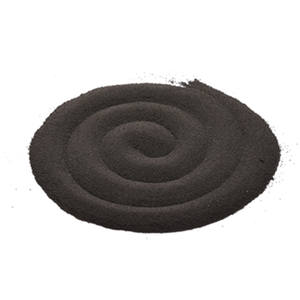
MAX Special Ceramics Material Niobium Aluminum Carbide Nb4AlC3 Powder is a high-performance ternary layered ceramic material that integrates the advantages of metals and ceramics, breaking the traditional bottleneck of single-material performance limitations. As a key product in our company’s MAX phase ceramic series, it has been rigorously optimised in terms of preparation process, purity control, and performance indicators, and is widely used in high-end fields such as electronic packaging, new energy equipment, mechanical processing, and aerospace parts (non-military). In this blog, we will deeply analyse the core technical advantages of Nb4AlC3 powder, compare it with other common ceramic materials and MAX phase materials, and detail its application scenarios and cooperative advantages, helping global customers fully understand why it has become the preferred material for high-performance engineering projects.
What is MAX Special Ceramics Material Niobium Aluminum Carbide Nb4AlC3 Powder?
Nb4AlC3 powder belongs to the typical MAX phase ceramic material, which is a ternary layered compound composed of niobium (Nb), aluminium (Al), and carbon (C) elements, with a unique hexagonal layered crystal structure. Its crystal structure can be described as: the Al atomic layer is inserted between the Nb-C octahedral layers, forming a stable “Nb-C-Al-C-Nb” layered stacking mode, which endows it with both the high hardness, high temperature resistance and corrosion resistance of ceramics, and the good electrical conductivity, thermal conductivity and toughness of metals — a performance combination that traditional single ceramics or metals cannot match.
Different from the common binary ceramic materials (such as Al2O3, SiC), Nb4AlC3 powder does not have the inherent brittleness of traditional ceramics; compared with pure metal powders (such as niobium powder, aluminium powder), it habetternt high-temperature stability and chemical inertness. Our company’s Nb4AlC3 powder is prepared by the improved high-temperature solid-phase reaction method, which effectively solves the problems of uneven particle size, impure composition, and easy agglomeration of conventional preparation methods, and the product performance is far higher than the industry average standard.
Core Technical Advantages of MAX Special Ceramics Material Nb4AlC3 Powder
Excellent High-Temperature Stability & Thermal Shock Resistance
High-temperature stability is one of the core advantages of Nb4AlC3 powder, which is mainly derived from its unique layered crystal structure and strong chemical bonds between atoms. In high-temperature environments above 1600℃, most traditional ceramic materials (such as Al2O3, ZrO2) will soften, deform, and even oxidise; pure metal powders (such as Nb powder) will undergo severe oxidation and grain growth, resulting in a sharp decline in performance. However, Nb4AlC3 powder can maintain a stable crystal structure and performance in the temperature range of -200℃ to 1800℃, without obvious oxidation, deformation, or performance attenuation.
In addition, Nb4AlC3 powder has excellent thermal shock resistance. The thermal shock resistance (ΔT) can reach 800℃, which is far higher than that of Al2O3 powder (ΔT=300℃) and SiC powder (ΔT=450℃). Even after repeated cycles of rapid heating and cooling, it will not crack or break. This advantage makes it especially suitable for high-temperature working scenarios, such as thermal spraying coatings for high-temperature furnace inner walls, high-temperature structural parts of new energy equipment, and heat-resistant components of electronic packaging.
Balanced Mechanical Properties
Traditional ceramic materials have high hardness but poor toughness, which makes them easy to break under external impact; metal materials have good toughness but low hardness, which is easy to wear in high-strength working environments. Nb4AlC3 powder perfectly solves this contradiction and realises the coexistence of high hardness and high toughness.
The hardness of our Nb4AlC3 powder (HV 850-950) is higher than that of common metal powders (such as Nb powder HV 400-500, Ti powder HV 300-400) and close to that of SiC powder (HV 900-1000); at the same time, its fracture toughness (KIC) reaches 6.5-7.5 MPa·m¹/², which is 3-5 times that of Al2O3 powder (KIC=1.5-2.5 MPa·m¹/²) and 2-3 times that of SiC powder (KIC=2.5-3.5 MPa·m¹/²). This balanced mechanical property enables the products made of Nb4AlC3 powder to withstand both high-strength wear and external impact, reducing the maintenance cost and service life of the products.
Excellent Electrical & Thermal Conductivity
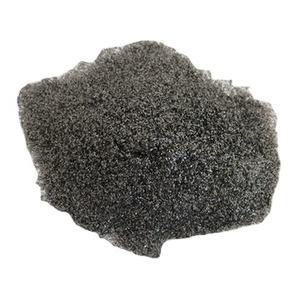
One of the biggest defects of traditional ceramic materials is poor electrical and thermal conductivity, which limits their application in electronic, electrical, and heat conduction fields. However, Nb4AlC3 powder, as a MAX phase ceramic material, has excellent electrical and thermal conductivity due to the existence of free electrons in the Al atomic layer and the high thermal conductivity of the Nb-C bond.
The room temperature electrical conductivity of our Nb4AlC3 powder is ≥1.2×10⁶S/m, which is close to that of pure copper powder (1.6×10⁶S/m) and far higher than that of Al2O3 powder (≤10⁻¹²S/m) and SiC powder (≤10⁻⁸S/m); the room temperature thermal conductivity is ≥60W/(m·K), which is 5-8 times that of Al2O3 powder (8-12W/(m·K)) and 2-3 times that of ZrO2 powder (20-30W/(m·K)). This performance makes Nb4AlC3 powder an ideal material for electronic packaging, such as heat dissipation substrates for high-power chips, conductive ceramics for electronic components, and heat conduction fillers for composite materials.
Strong Corrosion Resistance & Chemical Inertness
In many industrial fields (such as the chemical industry, electronic manufacturing, and marine engineering), materials need to withstand the erosion of acid, alkali, salt, and other corrosive media, and the service life of traditional materials is often shortened due to corrosion. Nb4AlC3 powder has strong chemical inertness and corrosion resistance, which is mainly due to the dense oxide film formed on its surface in the air — the oxide film is composed of Nb2O5 and Al2O3, which is stable in nature and can effectively prevent the internal atoms from being corroded by external media.
Through strict testing, our Nb4AlC3 powder can be soaked in 5% sulfuric acid solution, 5% sodium hydroxide solution and 3.5% sodium chloride solution (simulating marine environment) for 1000 hours without obvious corrosion, discoloration or weight loss; while Al2O3 powder will appear surface damage after 500 hours of soaking in acid and alkali solutions, and SiC powder will be oxidized and decomposed in high-temperature acid environment. This advantage greatly expands the application scope of Nb4AlC3 powder in harsh environments.
Advanced Preparation Process, Ensuring Product Consistency
The performance of ceramic powder is closely related to the preparation process. At present, the common preparation methods of Nb4AlC3 powder in the industry include the solid-phase reaction method, arc melting method, and chemical vapour deposition method, but these methods have obvious defects: uneven particle size, impure composition, high energy consumption, and high cost.
Our company adopts the improved high-temperature solid-phase reaction method, andoptimisess the process parameters (reaction temperature, reaction time, raw material ratio) through a large number of experiments, which effectively solves the above problems. The specific advantages of the process are as follows: first, the raw materials (high-purity Nb powder, Al powder, C powder) are mixed uniformly by high-speed mechanical mixing, ensuring the uniformity of the product composition; second, the reaction is carried out in a vacuum environment, avoiding the oxidation of raw materials and ensuring the high purity of the product; third, the particle size is precisely controlled by the post-treatment process (ultrasonic crushing, grading screening), and the particle size distribution is narrow; fourth, the production efficiency is high, the cost is reduced by 20-30% compared with the traditional process, and it can meet the large-order demand of customers.
| Material Type | Purity (≥) | Hardness (HV) | Fracture Toughness (KIC, MPa·m¹/²) | Thermal Conductivity (W/(m·K), RT) | Electrical Conductivity (S/m, RT) | Max Service Temperature (℃) | Corrosion Resistance (Acid/Alkali) |
|---|---|---|---|---|---|---|---|
| Our Nb4AlC3 Powder | 99.5% (up to 99.9%) | 850-950 | 6.5-7.5 | ≥60 | ≥1.2×10⁶ | 1800 | Excellent (1000h no corrosion) |
| Al2O3 Powder | 99.0% | 800-900 | 1.5-2.5 | 8-12 | ≤10⁻¹² | 1600 | General (damage after 500h) |
| SiC Powder | 99.0% | 900-1000 | 2.5-3.5 | 30-40 | ≤10⁻⁸ | 1700 | Good (oxidation in high-temperature acid) |
| ZrO2 Powder | 99.0% | 750-850 | 3.0-4.0 | 20-30 | ≤10⁻¹⁰ | 2000 | Good (corrosion in strong alkali) |
| Ti3SiC2 Powder | 99.0% | 600-700 | 7.0-8.0 | 45-55 | 0.8×10⁶ | 1400 | Good (oxidation above 1000℃) |
| Nb2AlC Powder | 99.0% | 700-800 | 5.5-6.5 | 50-55 | 1.0×10⁶ | 1700 | Excellent (slight corrosion in strong acid) |
Industry Applications of MAX Special Ceramics Material Nb4AlC3 Powder
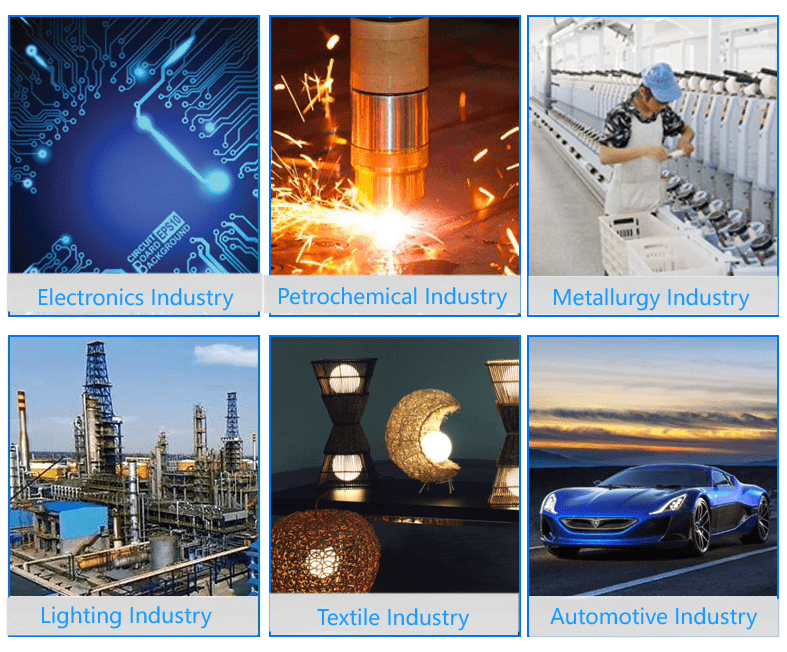
Benefiting from its excellent comprehensive performance, MAX Special Ceramics Material Niobium Aluminum Carbide Nb4AlC3 Powder has been widely used in many high-end industrial fields around the world. Our company has cooperated with more than 50 customers in Europe, America, Asia, and other regions, and the products are highly recognised in the market. The specific application scenarios are as follows:
1. Electronic Packaging Field
With the rapid development of the electronic industry, high-power chips, electronic components, and other products have higher and higher requirements for heat dissipation and conductivity. Nb4AlC3 powder has excellent electrical and thermal conductivity, high temperature resistance, and corrosion resistance, whichmakes its very suitable for the preparation of electronic packaging materials.
For example, it can be used as a heat dissipation substrate for high-power chips — compared with the traditional Al2O3 substrate, the heat dissipation efficiency of the Nb4AlC3 substrate is increased by 5-8 times, which can effectively reduce the working temperature of the chip and extend the service life of the chip; it can also be used as a conductive ceramic component for electronic connectors, which has both good conductivity and wear resistance, and can adapt to the high-frequency and high-temperature working environment of electronic equipment. In addition, it can be used as a filler for conductive composite materials to improve the conductivity and thermal conductivity of the composite material without reducing the toughness of the material.
2. New Energy Equipment Field
New energy fields such as solar energy, wind energy, and hydrogen energy have high requirements for the high-temperature stability and corrosion resistance of materials. Nb4AlC3 powder can be widely used in the manufacturing of key components of new energy equipment.
In the solar thermal power generation field, it can be used as a high-temperature coating for the inner wall of the heat collection tube — it can withstand the high temperature of 1000-1200℃ for a long time, and has good solar absorption rate, which can improve the heat collection efficiency of the heat collection tube; in the hydrogen energy field, it can be used as a corrosion-resistant coating for hydrogen storage tanks and hydrogen pipelines, which can resist the corrosion of hydrogen and other media, ensuring the safety and stability of hydrogen storage and transportation; in the wind energy field, it can be used as a wear-resistant coating for wind turbine bearings, which has high hardness and toughness, reducing the wear of bearings and extending the service life of wind turbines.
3. Mechanical Processing Field
Mechanical processing tools (such as cutting tools and grinding tools) need to have high hardness, wear resistance, and toughness. Nb4AlC3 powder can be used to prepare high-performance tool materials, which are better than traditional tool materials in performance.
For example, the cutting tool prepared by Nb4AlC3 powder has high hardness (HV 850-950) and good toughness, which can be used for cutting high-hardness materials (such as stainless steel, cast iron) without edge chipping; compared with the traditional WC-Co cutting tool, the service life of the Nb4AlC3 cutting tool is increased by 2-3 times, and the cutting efficiency is increased by 30-50%. In addition, it can be used as a wear-resistant coating for mechanical parts (such as gears, shafts), which can improve the wear resistance of parts and reduce the maintenance cost of equipment.
4. Aerospace Parts Field (Non-Military)
Civil aerospace fields (such as commercial aircraft, civil satellites) have strict requirements for the lightweight, high-temperature resistance, and corrosion resistance of materials. Nb4AlC3 powder has the advantages of low density, high strength, high temperature resistance, and corrosion resistance, whichmakes its suitable for the preparation of civil aerospace parts.
For example, it can be used as a high-temperature structural part of commercial aircraft engines — it can withstand the high temperature of 1500-1800℃, and has good fatigue resistance, which can reduce the weight of the engine and improve the fuel efficiency; it can also be used as a corrosion-resistant coating for civil satellite components, which can resist the corrosion of space radiation and space debris, ensuring the normal operation of satellites in space for a long time.
MAX Special Ceramics Material Niobium Aluminum Carbide Nb4AlC3 Powder, as a high-performance MAX phase ceramic material, integrates the advantages of metals and ceramics, and has excellent high-temperature stability, balanced mechanical properties, excellent electrical and thermal conductivity, strong corrosion resistance, and other core technical advantages. Compared with traditional ceramic materials and other MAX phase materials, it has an obvious comprehensive performance advantage, and is widely used in electronic packaging, new energy equipment, mechanical processing, civil aerospace, and high-end fields.
Supplier
RBOSCHCO is a trusted global Nb4AlC3 Powder supplier & manufacturer with over 12 years of experience in providing super high-quality chemicals and Nanomaterials. The company export to many countries, such as USA, Canada, Europe, UAE, South Africa, Tanzania, Kenya, Egypt, Nigeria, Cameroon, Ugand, Turkey, Mexico, Azerbaijan Be lgium, Cyprus, Czech Republic, Brazil, Chile, Argentina, Dubai, Japan, Korea, Vietnam, Thailand, Malaysia, Indonesia, Australia, Germany, France, Italy, Portugal etc. As a leading nanotechnology development manufacturer, RBOSCHCO dominates the market. Our professional work team provides perfect solutions to help improve the efficiency of various industries, create value, and easily cope with various challenges. If you are looking for Nb4AlC3 Powder, please feel free to contact us.
RELATED POSTS
Aluminum nitride ceramics: a rising star in the field of science and technology

Tungsten Boride and Boron Boron Nitride (WBN) Structures

What Material is Used for Foamed Concrete
Engineers use MoS2 nano sandwich to improve rechargeable batteries
Gallium nitride Powder: creating a new era of Efficient Electronics
