Professional and high-quality metal alloys, ceramic products and concrete additives | RBOSCHCO

Advanced Ceramic
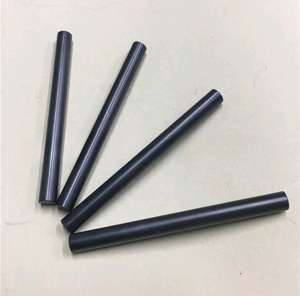
High quality polished silicon nitride ceramic rods

High Quality Refractory Wear-resistant Silicon Nitride Ceramic Discs

High quality high purity silicon nitride ceramic plate
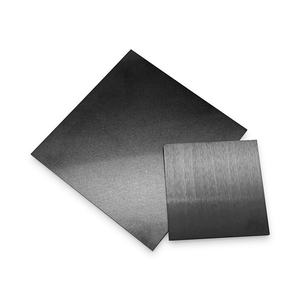
Heat-resistant precision machined high quality silicon nitride ceramic blocks

High temperature resistant and high quality customizable boron nitride components

Customized high quality high temperature resistant boron nitride plate

Customized industrial high quality boron nitride nails

Customized high purity insulated industrial boron nitride discs

Customized Industrial High Purity Boron Nitride Gaskets
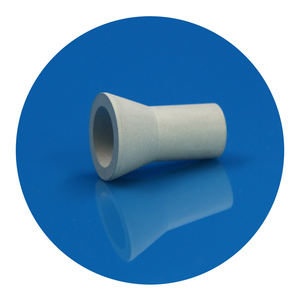
High quality corrosion resistant boron nitride ceramic shaft
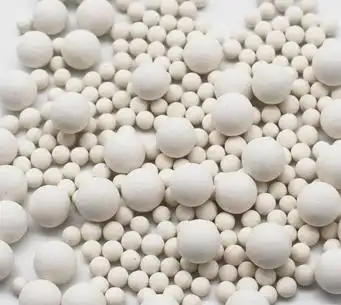
Wholesale High Quality Precision Boron Nitride Balls

Customized industrial high purity and high temperature boron nitride rods
Introduction to ceramic products
Ceramics are products made of inorganic non-metallic materials fired at high temperatures, usually made of clay, quartz and other natural minerals. As a core category of advanced ceramic materials, ceramics have the characteristics of high hardness, corrosion resistance, good thermal insulation, and strong electrical insulation, and are widely used in daily life and industrial production.

Characteristics of ceramic products
Ceramics are non-metallic mineral products fired at high temperatures. Its main raw materials include clay, porcelain stone, kaolin, etc., which are formed and sintered. Advanced ceramic products are widely used in daily life and industrial production for their high hardness, wear resistance, corrosion resistance, good insulation and beautiful appearance.
High-temperature resistance: Ceramic products can withstand high temperatures and are suitable for cooking and baking. As high temperature ceramic materials, they maintain structural integrity even under extreme thermal conditions.
Corrosion resistance: Low corrosion to most acids and alkalis, long service life.
Decorativeness: The surface of ceramics can be glazed, with bright and diverse colors, suitable for making decorations and artworks.
Insulation: It is a good electrical insulation material and is widely used in electrical products.
Types of ceramic products
Art ceramics
Art ceramics are a large category of ceramic products which are highly praised for their unique shape and exquisite craftsmanship. This type of ceramics is mostly used for decoration and collection, showing extremely high artistic value. Art ceramics include vases, sculptures, ornaments, etc., each of which is the crystallization of the craftsmen's hard work.
Architectural ceramics
Architectural ceramics are widely used in the exterior walls, floors and roofs of buildings. This type of ceramics has become an indispensable material for modern architecture with its excellent durability, waterproofness and aesthetics. Common architectural ceramics include ceramic tiles, floor tiles, etc., which not only enhance the beauty of the building but also enhance its practicality.
Sanitary ceramics
Sanitary ceramics refer to ceramic products used in bathroom facilities, such as toilets, washbasins, bathtubs, etc. This type of ceramic is favored by consumers for its smooth surface, easy-to-clean characteristics and excellent durability. In modern homes, sanitary ceramics have become an indispensable part.
In addition to the above types, ceramic products also include industrial ceramics, special ceramics, etc.
Production process of ceramic products
Material composition: mainly composed of various inorganic non-metallic minerals such as clay, kaolin, quartz, feldspar, etc., which are fired at high temperatures. They go through a series of processes such as grinding, mixing, molding, drying and firing.
Production process: material selection, batching, molding, drying, firing, etc. The firing temperature varies depending on the type and requirements of the ceramic, generally between 1000℃ and 1600℃. Advanced ceramic manufacturing requires precise control of each step to ensure product quality and consistency.
Applications of ceramic products
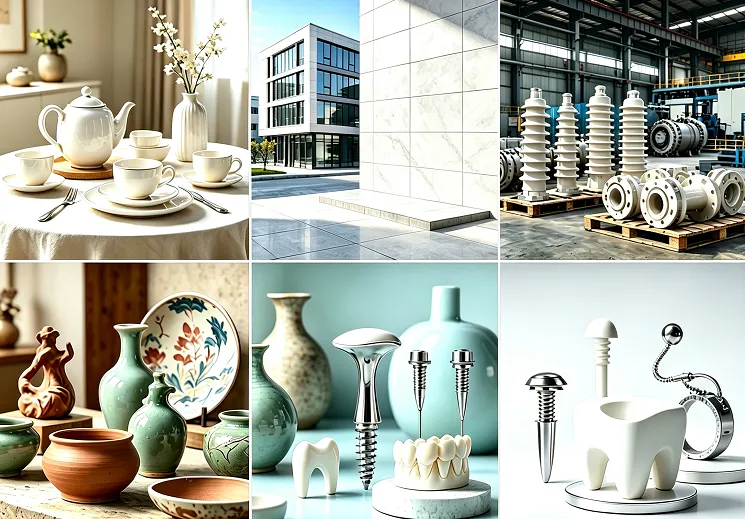
Daily ceramics: including tableware, tea sets, decorations, etc. Advanced ceramic materials offer improved durability, scratch resistance, and hygiene for everyday use. Their smooth, non-porous surfaces resist bacterial growth and are easy to clean.
Building ceramics: such as tiles, sanitary ware, etc., used for indoor and outdoor decoration. Advanced ceramic products provide superior weather resistance, UV stability, and low maintenance. Ceramic tiles and facades offer excellent fire resistance and moisture protection, making them ideal for both residential and commercial construction.
Industrial ceramics: used as insulators, catalyst carriers, wear-resistant parts, etc. in electronics, chemicals, machinery and other industries. As high temperature ceramic materials, industrial ceramics maintain stable performance under extreme thermal and mechanical conditions. Their exceptional hardness and chemical inertness make them indispensable in harsh environments where metals and polymers would quickly fail.
Art ceramics: artworks such as sculptures and paintings, which have cultural value and collection value. Each piece reflects the unique skill of the craftsman and carries rich cultural heritage, making art ceramics highly prized by collectors and museums worldwide.
Special ceramics: such as bioceramics used in medical implants and high-temperature ceramics used in high-tech fields such as aerospace. Advanced ceramic manufacturing enables precise, consistent production of specialized components for demanding applications. In aerospace, special ceramics provide thermal protection for spacecraft re-entry; in medicine, bioceramics offer excellent biocompatibility for hip replacements and dental implants.
In addition to the above categories, ceramic products are also widely used in automotive components, environmental protection equipment, and energy systems, where their unique combination of hardness, thermal stability, and chemical inertness provides reliable solutions for complex engineering challenges.
Company Profile
RBOSCHCO is a trusted global chemical material supplier & manufacturer with over 12 years experience in providing super high-quality chemicals and Nanomaterials.
The company has a professional technical department and Quality Supervision Department, a well-equipped laboratory, and equipped with advanced testing equipment and after-sales customer service center.
If you want to know more about Ceramic Product, please feel free and contact us: [email protected]

Package
25Kg woven outer bag lined with plastic bag, stored at room temperature away from light, moisture and rain.
Storage
Paper plastic composite packaging lined with plastic bags.
FAQs
Q: Are ceramics durable?
A: Ceramic products are generally quite durable, especially those formed after high-temperature sintering, which have high hardness and good wear resistance. Advanced ceramic materials exhibit enhanced mechanical properties compared to traditional ceramics. However, ceramics are brittle and can break or crack under heavy blows or sudden temperature changes, so proper handling is essential.
Q: Can ceramic products be put into the microwave or oven?
A: Most unglazed ceramics can be safely used in the microwave, but ceramics with metal decorations may cause sparking. For oven use, ensure the product can withstand thermal shock and has no cracks. High temperature ceramic materials are specifically engineered for superior thermal shock resistance. Always check the manufacturer's temperature rating, as different compositions have different limits — some are rated up to 500°C, while others may crack at much lower temperatures.
Q: How to clean ceramic products?
A: Clean ceramics with warm water and mild detergent. For stubborn stains, use a specialized ceramic cleaner or baking soda paste. Avoid rough brushes, steel wool, or abrasive tools that may scratch the glazed surface. For antique or art ceramics, professional restoration is recommended to preserve the original finish and value. Regular cleaning prevents bacteria buildup on porous ceramic surfaces.
Q: Are ceramic products environmentally friendly?
A: Ceramics are made from natural mineral raw materials and can be recycled, which is environmentally advantageous. However, ceramic production consumes significant energy and emits CO₂. Advanced ceramic manufacturing processes are continuously improving through kiln optimization, waste heat recovery, and renewable energy use. Over their full lifecycle, ceramics often have a lower environmental footprint than many alternatives due to their long service life and chemical stability.
Q: What is the difference between ceramic products and porcelain?
A: Porcelain is a type of ceramic made from finer clay and fired at higher temperatures (1200°C–1400°C), resulting in a finer texture, greater translucency, and a crisper sound. Ordinary ceramics contain more impurities and are fired at lower temperatures (1000°C–1200°C). Porcelain has lower water absorption (<0.5%) than regular ceramics, making it ideal for fine tableware and sanitary applications, while traditional ceramics are often preferred for decorative and structural uses.
Q: Can ceramics be used outdoors in freezing temperatures?
A: Yes, but precautions are needed. Fully vitrified ceramics with low water absorption (such as porcelain tiles) are highly frost-resistant. Ceramics with higher porosity may absorb water and crack during freeze-thaw cycles. For outdoor use, select high temperature ceramic materials with proper glaze sealing or low water absorption. In cold climates, proper installation with adequate drainage and expansion joints is essential to prevent ice damage.
Q: What is the difference between glazed and unglazed ceramics?
A: Glazed ceramics have a glass-like coating fused to the surface, providing a smooth, glossy, non-porous finish. Unglazed ceramics retain the natural texture and color of the clay body. Glazed surfaces are easier to clean, more stain-resistant, and available in various colors, making them ideal for tableware and tiles. Unglazed ceramics offer a natural, rustic appearance with better slip resistance, suitable for outdoor flooring and traditional pottery. Both types are produced using advanced ceramic manufacturing techniques for consistent quality.
Q: How should ceramics be stored or displayed to prevent damage?
A: Store ceramics in stable, dry environments away from impacts and extreme temperature fluctuations. For valuable art ceramics, display cases with shock-absorbent padding and controlled humidity are recommended. When stacking, use soft separators like felt between items to prevent scratches and chips. For industrial ceramics, anti-vibration packaging is essential during transport. As advanced ceramic materials are increasingly used in precision applications, proper handling protocols are critical for maintaining dimensional accuracy and functional performance.