Professional and high-quality metal alloys, ceramic products and concrete additives | RBOSCHCO



PRODUCT PARAMETERS
Description
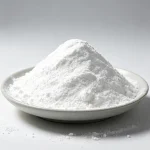
Overview of Aluminum Oxide Al2O3
Aluminum oxide (Al2O3), also known as aluminum oxide, is an inorganic compound formed by the combination of aluminum and oxygen elements. In nature, it mainly exists in various minerals, such as corundum and gemstones. The chemical formula of Al2O3 indicates that each aluminum atom combines with three oxygen atoms to form a stable hexagonal or cubic densest packing structure. This compound has extremely high hardness, high melting point, and good chemical stability.
Because of its excellent physical and chemical features, Al2O3 has been widely used in multiple fields. In industrial production, it is commonly used as a grinding agent, polishing agent, and refractory material. In the electronics industry, aluminum oxide is used as an insulating material and semiconductor substrate. In addition, Al2O3 is also a key raw material for manufacturing advanced ceramics, catalyst carriers, and advanced coatings. Due to its good biocompatibility and stability, alumina is also used in the medical field to manufacture artificial joints and dental implants.
With the continuous development of modern manufacturing technologies, alumina has become one of the most important advanced ceramic materials due to its combination of mechanical strength, electrical insulation, thermal resistance, and corrosion resistance. Compared with traditional metal materials, alumina ceramics can maintain stable performance under extreme working conditions, including high temperatures, strong acids, alkalis, and high-voltage environments. Its excellent wear resistance allows it to be used in precision mechanical components, ceramic bearings, sealing rings, pump parts, and wear-resistant linings, where long service life and dimensional stability are required. In addition, the low dielectric loss and high electrical resistivity of high-purity alumina make it an ideal material for electronic components, including insulating substrates, semiconductor manufacturing fixtures, and vacuum equipment parts.
The performance of alumina ceramics largely depends on factors such as purity, grain size, sintering process, and microstructure control. High-purity alumina, typically containing more than 99% Al₂O₃, offers superior chemical stability and high-temperature performance, making it suitable for demanding applications in semiconductor, optical, and energy industries. By adjusting the formulation and manufacturing process, alumina ceramics can achieve different levels of mechanical strength, thermal conductivity, and surface precision to meet specific application requirements. Therefore, alumina is not only a basic ceramic material but also an essential engineering material that supports the development of advanced technologies in aerospace, electronics, energy, and precision manufacturing industries.
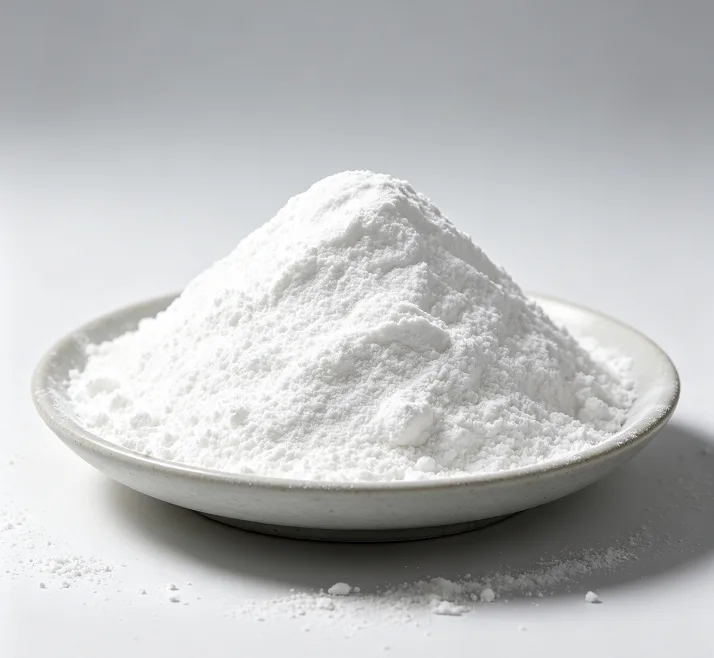
(Aluminum Oxide Al2O3 CAS 1344-28-1)
Features of Aluminum Oxide Al2O3
- High hardness:
Al₂O₃ is one of the hardest oxide ceramic materials, with excellent wear resistance and mechanical durability. Its hardness is second only to diamond among common materials, making it widely used in grinding tools, polishing abrasives, wear-resistant components, and precision ceramic parts that require long-term surface stability. - High melting point:
Aluminum oxide has an extremely high melting point of approximately 2054°C, allowing it to maintain structural integrity and stable performance under high-temperature conditions. This property makes alumina suitable for refractory materials, furnace components, thermal processing equipment, and high-temperature insulation applications. - Excellent chemical stability:
Al₂O₃ exhibits outstanding resistance to corrosion from most acids, alkalis, and chemical environments. Its stable crystal structure prevents significant chemical reactions during operation, making it widely used in chemical processing equipment, protective coatings, sealing components, and corrosion-resistant ceramic parts. - Superior electrical insulation:
Aluminum oxide is an excellent electrical insulating material with high electrical resistivity and low dielectric loss. These properties make it an important material in the electronics and semiconductor industries, where it is used for insulating substrates, circuit components, electrical feedthroughs, and high-voltage equipment parts. - Good thermal stability:
Al₂O₃ maintains reliable physical properties across a wide temperature range and has good thermal shock resistance when properly processed. This allows alumina ceramics to be used in applications involving rapid temperature changes, such as furnace tubes, heating components, and thermal protection systems. - High mechanical strength:
Alumina ceramics possess high compressive strength, excellent wear resistance, and good dimensional stability. These mechanical properties enable their use in structural ceramic components, precision mechanical parts, bearings, plungers, and industrial components that require high load-bearing capacity. - Excellent optical properties:
Aluminum oxide has a high refractive index, good light transmission, and excellent optical stability when produced with high purity. Transparent alumina ceramics are used in optical windows, laser components, lighting applications, and specialized optical devices that require high strength and durability. - Good biocompatibility:
Al₂O₃ has excellent compatibility with biological tissues and shows high resistance to wear and chemical degradation. As a result, high-purity alumina ceramics are widely used in medical applications, including artificial joints, dental implants, and other biomedical components requiring long-term reliability.
Parameter table of Aluminum Oxide Al2O3
| Aluminum Oxide Properties | |
| Other Names | alumina, aluminum (III) oxide, aluminum trioxide, Al2O3 powder |
| CAS No. | 1344-28-1 |
| Compound Formula | Al2O3 |
| Molecular Weight | 101.96 |
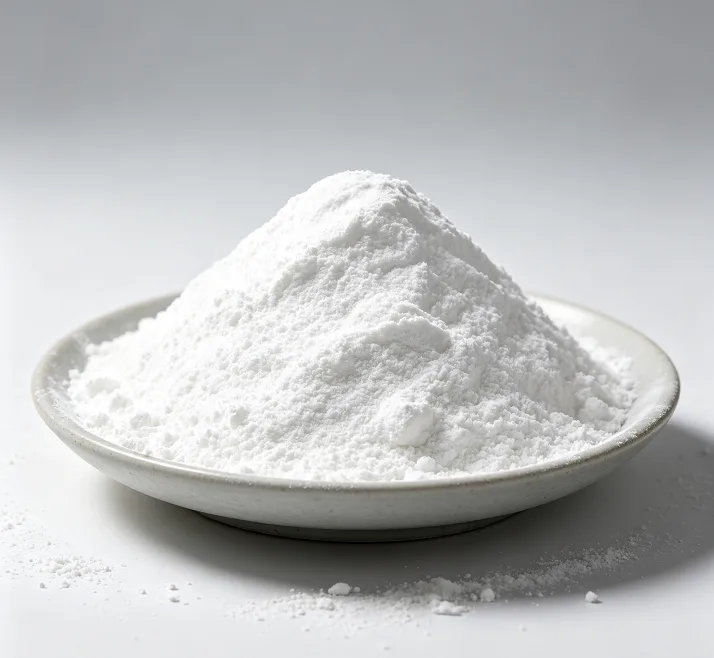
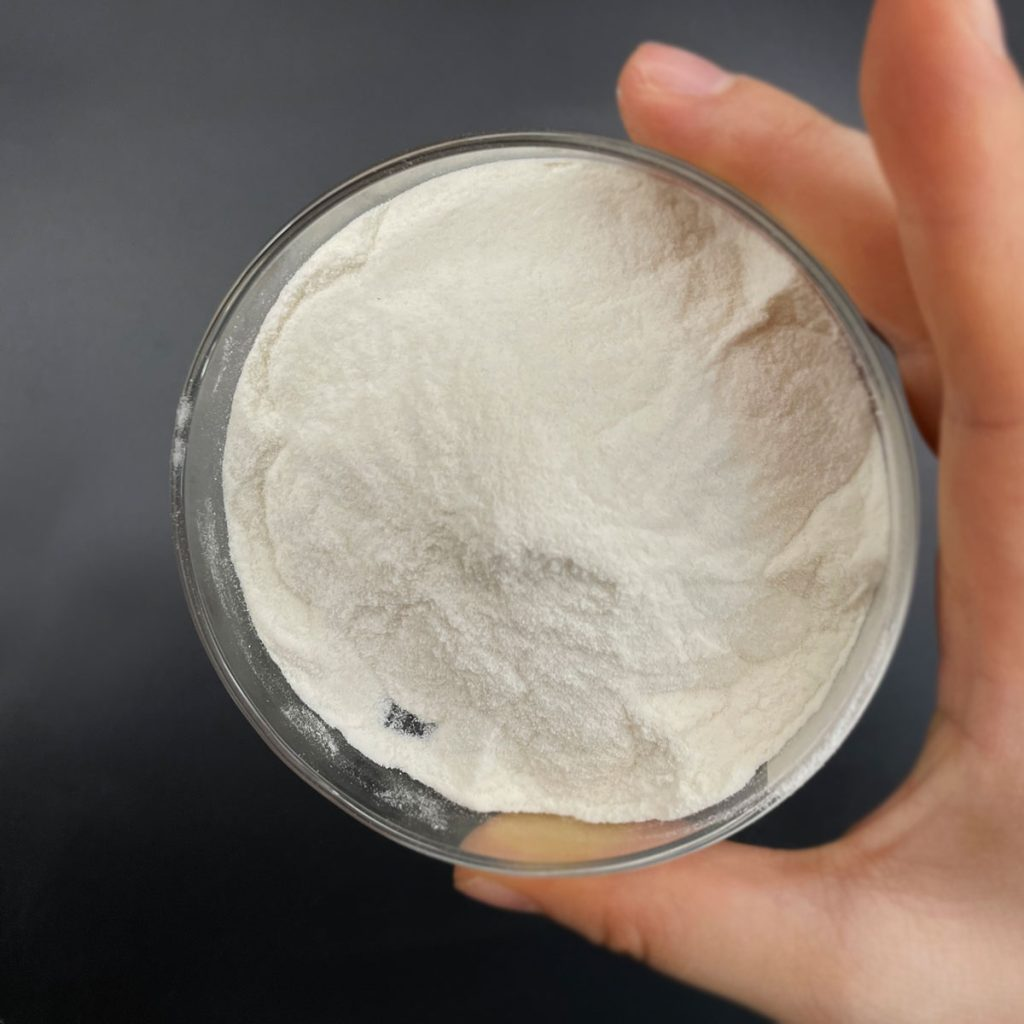
| Appearance | White Powder |
| Melting Point | 2072 °C |
| Boiling Point | 2977 °C |
| Density | 3.95 g/cm3 |
| Solubility in H2O | N/A |
| Exact Mass | 101.948 g/mol |
| Aluminum Oxide Health & Safety Information | |
| Signal Word | N/A |
| Hazard Statements | N/A |
| Hazard Codes | N/A |
| Risk Codes | N/A |
| Safety Statements | N/A |
| Transport Information | NONH |
Application of Aluminum Oxide Al2O3
Grinding and polishing: The high hardness, excellent wear resistance, and stable chemical properties of Al₂O₃ make it one of the most widely used materials for manufacturing abrasives, grinding wheels, and polishing agents. During mechanical processing, alumina abrasive particles can effectively remove material from metal, ceramic, glass, and semiconductor surfaces while maintaining long service life and consistent grinding performance. Due to its high strength and resistance to fracture, Al₂O₃ abrasives can withstand high-speed grinding operations and continuous impact during machining processes. In precision manufacturing, high-purity alumina powders are also used for fine polishing applications, helping achieve smooth surface finishes and tight dimensional tolerances for optical components, electronic substrates, and advanced ceramic parts. Its combination of hardness, thermal stability, and cost-effectiveness makes alumina an essential abrasive material in industries such as automotive manufacturing, aerospace, electronics, and precision engineering.
Refractory materials: The high melting point, excellent thermal stability, and strong resistance to corrosion make alumina (Al₂O₃) an essential component in the production of refractory bricks, refractory ceramics, and high-temperature protective coatings. Alumina-based refractory materials can maintain their mechanical strength and structural integrity under extreme temperature conditions, making them suitable for applications in furnaces, kilns, heat treatment equipment, and other high-temperature industrial environments. Due to its low thermal expansion coefficient and good resistance to thermal shock, alumina helps improve the durability and service life of refractory products exposed to repeated heating and cooling cycles. In addition, its excellent resistance to molten metals, slags, and chemical erosion allows alumina refractories to be widely used in industries such as steel, metallurgy, glass manufacturing, cement production, and energy processing. High-purity alumina ceramics are also applied in advanced thermal insulation components, furnace tubes, crucibles, and precision heating system parts where long-term stability and reliable performance are required under harsh operating conditions.
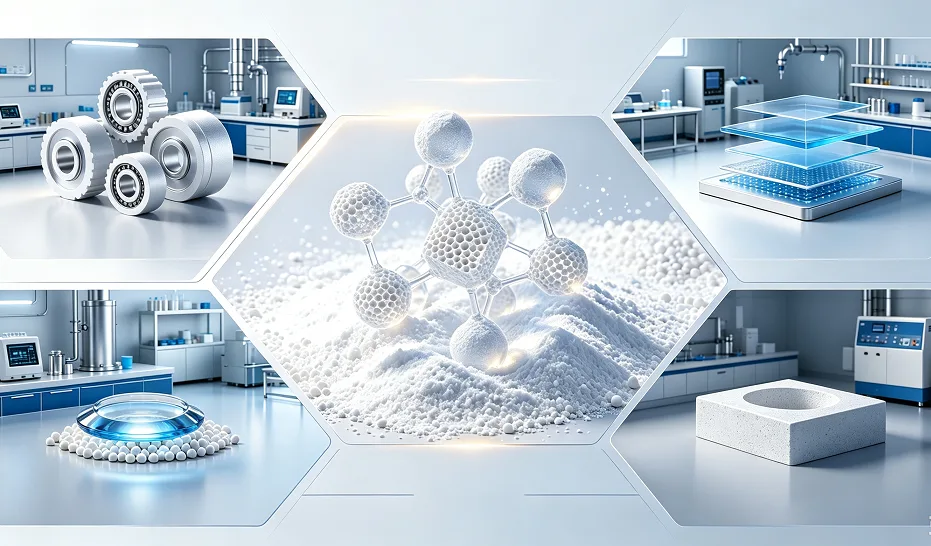
Application of Aluminum Oxide Al2O3
Electronics industry: Al₂O₃ plays an important role in the electronics industry due to its excellent electrical insulation, high dielectric strength, thermal stability, and chemical resistance. It is widely used to manufacture integrated circuit substrates, insulation layers, capacitor components, and various electronic packaging parts. Alumina ceramic substrates can provide reliable electrical isolation while maintaining good mechanical strength and dimensional stability, making them suitable for mounting semiconductor chips, power electronic devices, and high-frequency circuits. In addition, the good thermal conductivity of certain alumina grades helps dissipate heat generated during electronic operation, improving the reliability and service life of electronic components. High-purity alumina is also used in semiconductor manufacturing equipment, including insulating rings, wafer handling components, and precision structural parts, where low contamination and excellent resistance to plasma, chemicals, and high temperatures are required. With the continuous development of advanced electronics, electric vehicles, and semiconductor technologies, alumina ceramics remain a critical material for ensuring the performance, stability, and durability of modern electronic systems.
Ceramic industry: Alumina ceramics are one of the most widely used advanced ceramic materials due to their high hardness, excellent wear resistance, high-temperature stability, and outstanding chemical corrosion resistance. In the ceramic industry, Al₂O₃ is extensively used for manufacturing cutting tools, grinding tools, wear-resistant components, and precision ceramic parts that require long-term reliability under harsh working conditions. Compared with traditional metal materials, alumina ceramic components can maintain excellent dimensional stability and mechanical performance at high temperatures, while offering superior resistance to abrasion and oxidation. In machining and manufacturing processes, alumina-based cutting tools are capable of processing hard materials at high speeds due to their high hardness and thermal stability, improving machining efficiency and extending tool service life. Alumina grinding tools are also widely applied in precision processing of metals, ceramics, glass, and semiconductor materials, where high surface accuracy and consistent performance are required. In addition, alumina ceramics are used to produce structural components such as ceramic bearings, sealing rings, nozzles, tubes, and mechanical parts because of their low wear rate, electrical insulation properties, and resistance to chemical attack. With continuous advancements in ceramic processing technologies, high-purity alumina ceramics are increasingly applied in industries including precision manufacturing, aerospace, electronics, and energy systems, providing reliable solutions for demanding engineering applications.

Application of Aluminum Oxide Al2O3
Medical field: Aluminum oxide (Al₂O₃) is widely used in the medical industry due to its excellent biocompatibility, high wear resistance, chemical stability, and long-term reliability inside the human body. High-purity alumina ceramics are commonly applied in the manufacturing of medical devices such as artificial joints, dental implants, bone screws, and other orthopedic components. Compared with traditional metal materials, alumina ceramics have a lower friction coefficient and outstanding resistance to wear, which helps reduce material degradation and particle generation during long-term use in joint replacement applications. In dental applications, alumina ceramics can provide excellent strength, corrosion resistance, and aesthetic performance, making them suitable for dental implants, crowns, and prosthetic components. Their chemical inertness allows them to remain stable without easily reacting with body fluids or surrounding tissues, improving safety and durability. In orthopedic applications, alumina-based ceramic components are valued for their high hardness, smooth surface finish, and resistance to fatigue, enabling them to maintain reliable mechanical performance under repeated loads. With the continuous development of biomedical engineering, high-performance alumina ceramics continue to play an important role in improving the lifespan, reliability, and functionality of advanced medical implants and devices.
In the field of optics, the high refractive index, excellent transparency, and outstanding mechanical stability of alumina make it an ideal material for manufacturing optical components such as lenses, windows, optical filters, and protective covers. High-purity alumina ceramics, especially transparent alumina, can provide excellent light transmission while maintaining superior hardness, scratch resistance, and resistance to chemical corrosion. These properties allow alumina optical components to operate reliably in demanding environments where traditional glass materials may suffer from damage, deformation, or reduced performance. Due to its excellent thermal stability and resistance to extreme conditions, alumina is widely used in optical systems exposed to high temperatures, intense radiation, or harsh chemical environments. It can be applied in laser equipment, infrared optical devices, semiconductor inspection systems, lighting components, and aerospace optical instruments. In addition, the high hardness and wear resistance of alumina help protect optical surfaces from scratches and mechanical damage, ensuring long-term optical performance and service life. With continuous advancements in precision manufacturing and material processing technologies, alumina ceramics have become an important material for high-performance optical applications requiring durability, stability, and reliable light transmission.
Production Method of Aluminum Oxide Al2O3
Bayer Process
The Bayer process is the most widely used industrial method for producing alumina (Al₂O₃) from bauxite ore and accounts for the majority of global alumina production. The process mainly relies on the amphoteric characteristics of aluminum compounds, allowing aluminum-containing minerals to be selectively dissolved while separating unwanted impurities. First, bauxite ore is crushed and ground into fine particles to increase the reaction surface area. The processed ore is then mixed with a concentrated sodium hydroxide (NaOH) solution and heated under high temperature and pressure conditions, typically in a digestion stage. During this process, aluminum-containing minerals such as gibbsite, boehmite, and diaspore react with sodium hydroxide to form soluble sodium aluminate, while impurities such as iron oxide, titanium dioxide, and silica remain as insoluble residues.
After digestion, the mixture undergoes filtration to remove solid impurities, producing a clear sodium aluminate solution. The solution is then cooled and seeded with fine aluminum hydroxide crystals to promote controlled precipitation of Al(OH)₃. The precipitated aluminum hydroxide is separated, washed, and purified to remove remaining chemical residues. Finally, the purified Al(OH)₃ is heated in a calcination process at approximately 1,000–1,200°C, where chemically bound water is removed, converting aluminum hydroxide into high-purity alumina powder. The Bayer process offers high production efficiency, mature technology, and relatively low operating costs, making it the primary method for manufacturing industrial-grade alumina used in aluminum production, refractory materials, and advanced ceramic applications.
Sol-Gel Method
The sol-gel method is an advanced chemical synthesis technique commonly used for producing high-purity alumina powders, coatings, thin films, and ceramic materials with controlled particle size and uniform microstructure. Unlike traditional high-temperature production methods, the sol-gel process enables precise control over the chemical composition and morphology of alumina materials at the molecular level. In this process, aluminum alkoxides, such as aluminum isopropoxide (Al(OC₃H₇)₃), are dissolved in organic solvents such as ethanol or isopropanol to form a homogeneous solution.
Water is then gradually added to initiate hydrolysis and condensation reactions. During hydrolysis, aluminum alkoxide molecules react with water to form aluminum hydroxide-based species, creating a stable colloidal suspension known as a sol. As the reaction continues, these particles link together through condensation reactions, gradually forming a three-dimensional network structure and transforming the liquid sol into a semi-solid gel.
The resulting gel undergoes aging, drying, and heat treatment processes. During drying, solvents and residual organic compounds are removed, while calcination at approximately 400–600°C or higher temperatures converts the gel structure into fine alumina powder. The sol-gel method provides excellent control over purity, particle size distribution, and porosity, making it suitable for producing advanced alumina materials used in catalysts, optical coatings, electronic components, sensors, and high-performance ceramic applications. However, compared with conventional methods, it generally involves more complex processing steps and higher raw material costs.
Chemical Vapor Deposition (CVD)
Chemical Vapor Deposition (CVD) is a specialized technique used to produce high-purity alumina thin films, protective coatings, and advanced ceramic layers through chemical reactions between gaseous precursors. This method is particularly valuable in semiconductor manufacturing, optical devices, and high-temperature applications where precise thickness control, excellent surface quality, and strong adhesion are required.
In a typical CVD process, aluminum-containing precursor gases, such as aluminum chloride (AlCl₃) or metal-organic aluminum compounds, are introduced into a reaction chamber together with oxygen-containing gases. Under high-temperature conditions, usually around 1,000–1,200°C, these gaseous reactants undergo chemical reactions on the surface of heated substrates, forming solid Al₂O₃ layers. The newly formed alumina gradually deposits onto the substrate, creating a dense and uniform ceramic coating.
The CVD method enables the production of extremely thin and high-purity alumina films with excellent thermal stability, electrical insulation, and chemical resistance. These coatings can protect components from oxidation, corrosion, and wear in harsh environments. In semiconductor equipment, alumina coatings are used for insulating and protective purposes, while in aerospace and energy applications, they help improve the durability of high-temperature components. Although CVD provides superior material performance, its disadvantages include high equipment costs, complex operating conditions, and relatively low production efficiency compared with bulk alumina manufacturing methods.
Electrolysis of Alumina
The electrolysis of alumina is an important industrial process associated with aluminum production, particularly through the Hall–Héroult process. This method uses electrochemical reactions to extract aluminum metal from alumina dissolved in molten cryolite (Na₃AlF₆). Since pure alumina has an extremely high melting point of approximately 2,054°C, cryolite is added as a solvent to reduce the operating temperature and improve electrical conductivity during electrolysis.
In the Hall–Héroult process, purified alumina is dissolved in molten cryolite at temperatures around 950–1,000°C. A strong direct electric current is then passed through the electrolyte system. At the cathode, aluminum ions (Al³⁺) gain electrons and are reduced to molten aluminum metal, while oxygen ions migrate toward the carbon anodes and react to form carbon dioxide. The molten aluminum collects at the bottom of the electrolytic cell and is periodically removed, refined, and processed into aluminum products.
Although the primary purpose of this process is aluminum metal extraction rather than direct alumina production, it plays a critical role in the overall alumina-aluminum industrial chain. The quality of alumina used in electrolysis directly affects energy consumption, production efficiency, and the purity of the final aluminum product. Modern improvements in alumina refining and electrolysis technologies focus on reducing energy consumption, improving environmental performance, and increasing the efficiency of large-scale aluminum production.
Each alumina production method has its own advantages and application areas. The Bayer process remains the dominant industrial route due to its high efficiency and economic advantages. The sol-gel method is preferred for advanced applications requiring high purity and precise microstructure control. CVD technology is mainly used for producing high-performance alumina coatings and thin films, while electrolysis-related processes are essential for converting alumina into aluminum metal. The selection of a suitable preparation method depends on factors such as required purity, particle size, structural characteristics, production scale, and application requirements.

Company Profile
RBOSCHCO is a trusted global chemical material supplier & manufacturer with over 12-year-experience in providing super high-quality chemicals and nanomaterials, including boride powder, nitride powder, graphite powder, sulfide powder, 3D printing powder, etc. The company has a professional technical department and Quality Supervision Department, a well-equipped laboratory, and equipped with advanced testing equipment and after-sales customer service center. If you are looking for high-quality Aluminum Oxide Al2O3 , please feel free to contact us or click on the needed products to send an inquiry.
Storage Condition of Aluminum Oxide Al2O3
Seal Tightly: Store in airtight containers like plastic bags or glass jars to block moisture and dust.
Keep Dry: Choose a dry area with humidity below 40% and temperatures between 15–25°C. Add silica gel inside containers if needed.
Avoid Reactive Substances: Separate from acids, bases, and reducing agents to prevent chemical reactions.
Prevent Clumping: Store in stable, non-vibrating spots to avoid particle clumping.
Shield from Heat/Light: Place in fabulous, shaded locations away from direct sunlight and heat sources.
Payment Term
L/C, T/T, Western Union, Paypal, Credit Card etc.

Shipment Term
By sea, by air, by express, as customers request.
5 FAQs of Aluminum Oxide Al2O3
Q1: What is the primary reason for the high hardness of Aluminum Oxide (Al₂O₃)?
Answer:
The high hardness of Aluminum Oxide (Al₂O₃) is mainly attributed to its strong ionic and partially covalent bonding structure between aluminum and oxygen atoms. In the alumina crystal lattice, aluminum ions and oxygen ions are arranged in a highly stable corundum structure, where strong atomic interactions require significant energy to break or deform. This stable bonding system gives alumina excellent resistance to scratching, abrasion, and mechanical wear.
From an engineering perspective, the hardness of Aluminum Oxide (Al₂O₃) is not only determined by its chemical composition but also influenced by grain size, density, porosity, and sintering process. High-density, fine-grained alumina ceramics generally exhibit improved hardness and wear resistance because fewer internal defects exist to initiate crack propagation. With a Mohs hardness of approximately 9, alumina is one of the hardest industrial ceramic materials, making it widely used in abrasive products, wear-resistant components, cutting tools, mechanical seals, ceramic bearings, and precision structural parts.
However, high hardness also means alumina has limited plastic deformation capability. Unlike metals that can absorb energy through deformation, alumina ceramics are brittle and require careful design to avoid impact loading and tensile stress concentration. Therefore, engineers must balance hardness with toughness, component geometry, and operating conditions when selecting alumina for demanding applications.
Q2: How does Aluminum Oxide (Al₂O₃) differ from other oxides?
Answer:
Aluminum Oxide (Al₂O₃) differs from many other oxide ceramics because it provides a unique combination of high hardness, high-temperature stability, chemical resistance, electrical insulation, and mechanical reliability. While many oxide materials may provide one or two outstanding properties, alumina achieves a balanced performance profile that makes it one of the most widely used advanced ceramic materials in industrial applications.
The crystal structure of alumina, especially the stable α-Al₂O₃ corundum phase, contributes significantly to its excellent mechanical properties. The strong bonding within this structure provides high wear resistance and dimensional stability even under elevated temperatures. Compared with softer oxide ceramics, alumina maintains better resistance to abrasion and mechanical deformation. Compared with some other high-performance ceramics, alumina offers a more cost-effective solution while still meeting demanding engineering requirements.
Another important difference is its electrical insulation capability. High-purity Aluminum Oxide (Al₂O₃) ceramics can maintain high electrical resistivity, making them suitable for insulating substrates, electrical housings, furnace components, and semiconductor processing parts. In addition, alumina exhibits excellent oxidation resistance because it is already in a fully oxidized state, allowing it to remain stable in air at high temperatures where many metals would rapidly degrade.
For engineers, the selection of alumina over other oxides depends on the specific application requirements, including operating temperature, mechanical loading, thermal cycling, chemical exposure, electrical performance, and required service life.
Q3: In what industries is Aluminum Oxide (Al₂O₃) commonly used?
Answer:
Aluminum Oxide (Al₂O₃) is one of the most widely applied advanced ceramic materials and is used across numerous industries because of its combination of hardness, thermal stability, electrical insulation, and chemical durability. Its applications range from traditional industrial components to highly specialized semiconductor and medical devices.
In the abrasive and machining industry, alumina is widely used because of its high hardness and wear resistance. It is manufactured into grinding wheels, polishing powders, abrasive media, and cutting-related components where resistance to material removal is essential. Its stable hardness allows it to maintain cutting performance during repeated mechanical contact.
In the thermal and refractory industry, alumina ceramics are used for furnace linings, crucibles, tubes, plates, and support components operating at elevated temperatures. The high melting point of alumina, combined with excellent oxidation resistance, enables reliable performance in demanding thermal environments.
In the electronics and semiconductor industry, high-purity alumina is used for insulating substrates, ceramic packages, sensor components, and precision processing parts. Its electrical insulation properties and dimensional stability make it suitable for protecting sensitive electronic structures under high-temperature or chemically aggressive conditions.
In the medical industry, alumina ceramics are valued for their biocompatibility, corrosion resistance, and wear resistance. High-purity alumina has been used in orthopedic applications such as joint replacement components because it can maintain a smooth surface and resist long-term wear.
In addition, alumina is widely used in mechanical engineering applications, including seals, bearings, plungers, rings, and wear-resistant components where long service life and dimensional accuracy are required.
Q4: How does Aluminum Oxide (Al₂O₃) affect the performance of electronic devices?
Answer:
Aluminum Oxide (Al₂O₃) improves electronic device performance through a combination of electrical insulation, thermal stability, mechanical protection, and chemical reliability. In electronic systems, materials must not only support electrical functions but also maintain stable performance under heat generation, mechanical stress, and long-term operation. Alumina provides a reliable ceramic platform that meets these requirements.
One of the most important advantages of Aluminum Oxide (Al₂O₃) is its excellent electrical insulation capability. High-purity alumina ceramics have high electrical resistivity, allowing them to isolate conductive pathways and prevent unwanted current leakage. This property makes alumina suitable for electronic substrates, insulating components, sensor housings, and semiconductor equipment parts.
Alumina also contributes to thermal management. Although its thermal conductivity is lower than advanced ceramics such as aluminum nitride, alumina can still effectively transfer heat away from localized hot areas while maintaining electrical insulation. This balance between insulation and thermal stability is valuable in many electronic applications where overheating can reduce device reliability.
From a mechanical perspective, alumina provides high hardness and wear resistance, protecting components from physical damage during assembly, operation, or repeated thermal cycling. Its chemical stability also prevents degradation caused by moisture, oxidation, or exposure to various process environments.
For engineers designing electronic systems, alumina is often selected when a material must simultaneously provide electrical isolation, structural support, dimensional stability, and long-term reliability.
Q5: How does Aluminum Oxide (Al₂O₃) contribute to the durability of cutting tools?
Answer:
Aluminum Oxide (Al₂O₃) contributes to cutting tool durability primarily through its exceptional hardness, wear resistance, and high-temperature stability. During machining operations, cutting tools experience intense friction, mechanical impact, and heat generation. These conditions can rapidly degrade conventional materials, but alumina ceramics maintain their hardness and structural integrity under high-temperature cutting environments.
The high hardness of alumina allows cutting edges to resist abrasive wear caused by repeated contact with hard workpiece materials. Unlike softer materials that gradually lose their cutting geometry, alumina-based cutting tools can maintain sharp edges for longer periods when operating under suitable conditions. This results in improved dimensional accuracy, reduced tool replacement frequency, and more consistent machining performance.
Another important advantage is thermal stability. During high-speed machining, temperatures at the cutting edge can become extremely high. Alumina ceramics maintain their mechanical properties at elevated temperatures and are not easily softened like many metallic tool materials. This allows them to perform effectively in applications where heat resistance is critical.
However, alumina cutting tools also have limitations due to ceramic brittleness. They are highly resistant to compression and wear but are more sensitive to sudden impact and vibration compared with tougher metal-based tools. Therefore, engineers must carefully consider cutting speed, feed rate, workpiece material, cooling conditions, and tool geometry.
By optimizing these factors, alumina-based cutting tools can provide excellent durability, high machining efficiency, and stable performance in demanding manufacturing environments.
REQUEST A QUOTE
RELATED PRODUCTS
Copper(i) Oxide Cu2O Powder CAS 1317-39-1 Red Copper Oxide Nano Cuprous Oxide
Bismuth Oxide Powder Bi2O3 Powder Price
Nano Manganese Tetroxide (Mn₃O₄): High-Capacity Anode Material for Advanced Lithium-Ion Batteries
Factory Direct Sale Purity 98% Fine High Quality Synthetic Chrome Oxide Green Chromium Green Powder Cr2O3
Factory Direct Supply Zinc Oxide Animal Feed Additives Zinc Oxide Powder