Professional and high-quality metal alloys, ceramic products and concrete additives | RBOSCHCO




PRODUCT PARAMETERS
Description
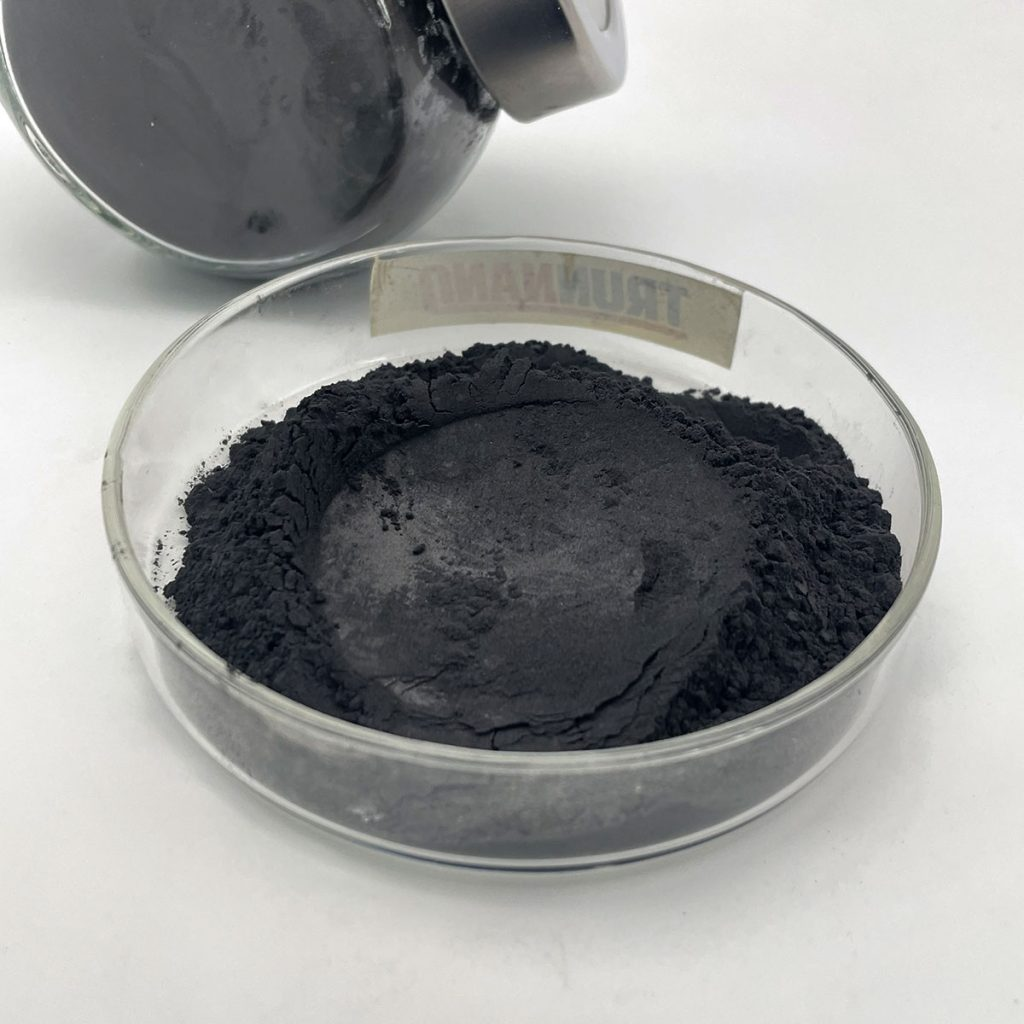
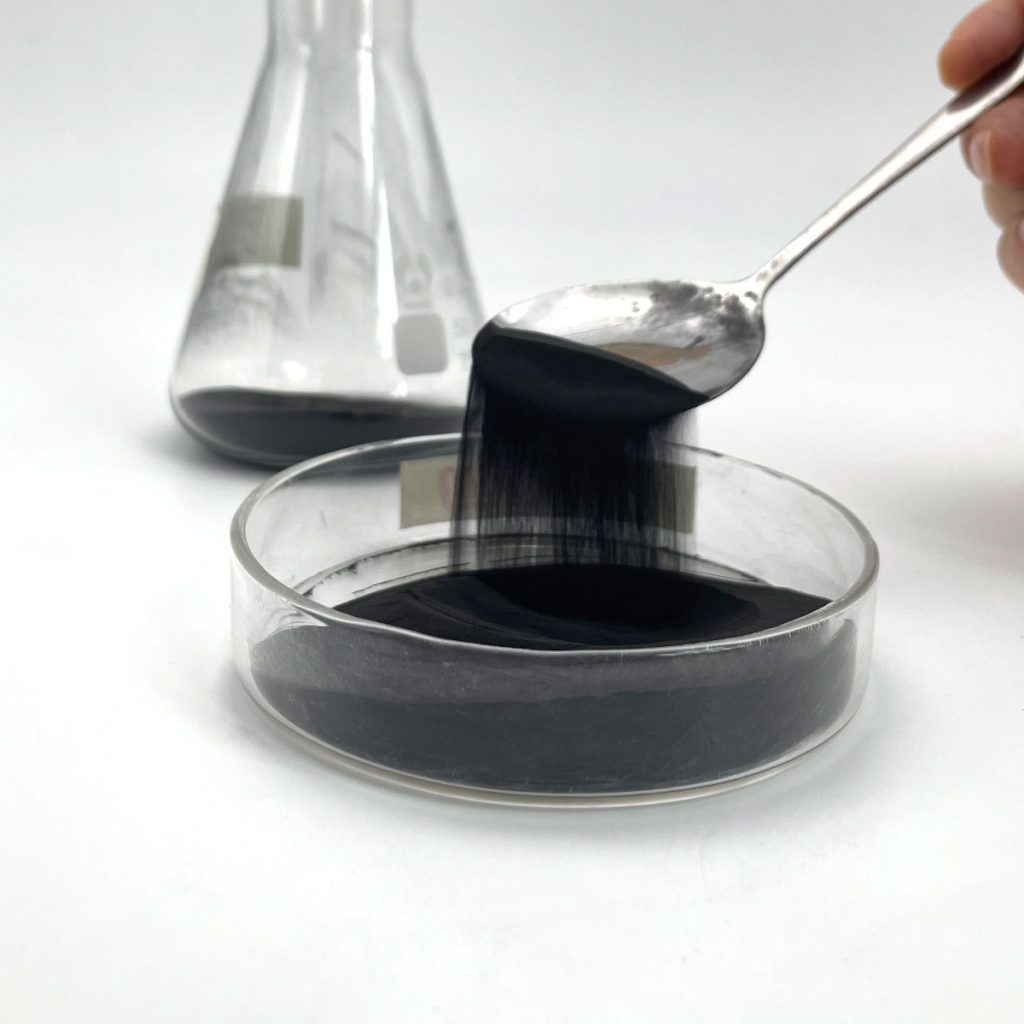
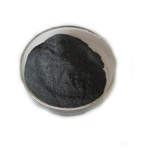
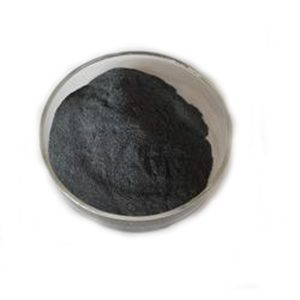
Overview of Silicon Oxycarbide SiOC Anode Material
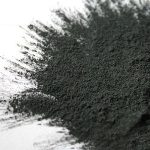
Silicon Oxycarbide (SiOC) is a novel anode material for lithium-ion batteries, produced by carbon-coating high-purity silicon monoxide (SiO). Through optimized silicon‑oxygen composition and microstructure design, this material delivers both high specific capacity and excellent cycling stability. It significantly increases the energy density of Li‑ion batteries while effectively reducing irreversible capacity loss during charge/discharge cycles.
Features of Silicon Oxycarbide SiOC Anode Material
- High Specific Capacity – Far exceeds conventional graphite anodes, effectively boosting cell energy density.
- High Initial Coulombic Efficiency – Enhanced via pre‑lithiation or process optimization, improving first‑cycle capacity and minimizing irreversible losses.
- Excellent Cycling Stability – The carbon‑composite structure effectively buffers volume expansion, extending cycle life.
- Superior Processability – Uniform particle size distribution; no gas generation within 72 hours after slurry preparation; compatible with mainstream coating processes.
Applications of Silicon Oxycarbide SiOC Anode Material
Suitable for cylindrical and pouch battery cell formats.
Technical Specifications of Silicon Oxycarbide SiOC Anode Material
| Parameter | Unit | Specification | Test Method |
|---|---|---|---|
| Moisture Content | % | ≤ 0.5 | Electronic Moisture Tester (DHS-16A) |
| Particle Size (D10) | µm | 3.5 ± 0.5 | Malvern Laser Diffraction (Mastersizer 3000) |
| Particle Size (D50) | µm | 6.0 ± 1.0 | Malvern Laser Diffraction (Mastersizer 3000) |
| Particle Size (D90) | µm | 9.5 ± 1.5 | Malvern Laser Diffraction (Mastersizer 3000) |
| Tap Density | g/cm³ | 1.15 ± 0.15 | Tap Density Tester (Bettersize BT-301) |
| Specific Surface Area (BET) | m²/g | 1.5 ± 0.5 | Surface Area & Porosity Analyzer (ASAP 2460) |
| Carbon Content | % | 3.0 ± 1.0 | Infrared Carbon/Sulfur Analyzer (HCS-140) |
| Reversible Capacity | mAh/g | ≥ 1600 | LAND Battery Test System (CT2001A) |
| Initial Coulombic Efficiency | % | ≥ 75.0 | LAND Battery Test System (CT2001A) |
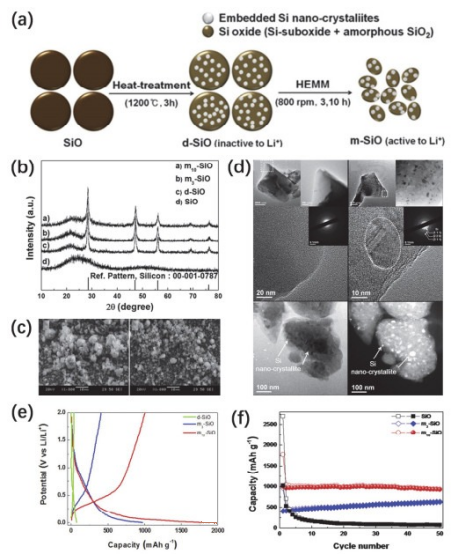
SEM Images & Particle Size Distribution of Silicon Oxycarbide SiOC Anode Material
- SEM (×1,000 & ×5,000) – showing uniform morphology and carbon coating layer.
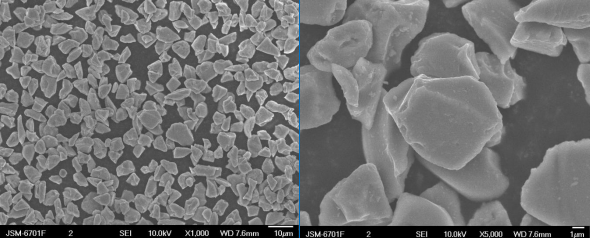
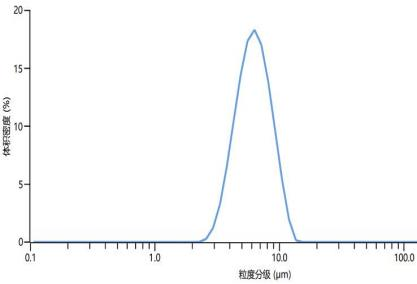
- Particle Size Distribution Curve – D50 ≈ 6.0 µm with narrow distribution range.
Coin Cell Preparation & Test Conditions of Silicon Oxycarbide SiOC Anode Material
CR2032 Coin Cell Slurry Formulation (recommended):
- XYYG-1 : Super P : CN1 Binder = 8 : 1 : 1 (by weight)
Slurry Preparation Procedure:
a) Weigh 339 g of CN1 binder and add to 1,161 g of ultra‑pure water. Stir at 600 r/min on a mechanical stirrer for 300 min until the solution is uniformly dispersed.
b) Weigh 1.728 g of XYYG-1 active material and 0.216 g of Super P into the mixing container; grind lightly for 10 min.
c) Add 6.371 g of the prepared CN1 binder solution into the container and seal.
d) Stir on a magnetic stirrer for 360 min to obtain the final slurry.
e) Coat the slurry onto copper foil, then vacuum‑dry the coated negative electrode at 80°C for 12 h.
Coin Cell Test Protocol (recommended):
| Step | Procedure |
|---|---|
| 1 | Rest for 6 h, then discharge at 0.1 C to 0.005 V |
| 2 | Rest 5 min, discharge at 0.02 C to 0.005 V |
| 3 | Rest 5 min, discharge at 1.0 C to 0.005 V |
| 4 | Rest 5 min, charge at 0.1 C to 1.5 V |
| 5 | Rest 5 min, jump to Step 2, cycle for 3 weeks |
Packaging of Silicon Oxycarbide SiOC Anode Material
The product shall be sealed in moisture‑proof bags, then placed into cardboard cartons. Packaging weight can be customized per customer requirements.
Transportation & Storage:
a) Handle with care during transportation to avoid package damage.
b) Product exposed due to package breakage should not be used and should not be returned to the original packaging.
c) Store in a dry, well‑ventilated environment, and seal promptly after each use.
FAQs of Silicon Oxycarbide SiOC Anode Material
1. What is the difference between SiOC and conventional graphite anodes?
SiOC offers a reversible capacity of ≥ 1,600 mAh/g, which is more than four times that of graphite (≈ 372 mAh/g), enabling much higher energy density for lithium‑ion batteries.
2. Does this product require pre‑lithiation?
While our SiOC already delivers a high initial coulombic efficiency (≥ 75%) through process optimization, pre‑lithiation can further improve the first‑cycle efficiency if your application demands ultra‑high performance.
3. How does the carbon coating help with volume expansion?
The carbon layer acts as a buffer matrix that accommodates the volume change of silicon during lithiation/delithiation, preventing particle cracking and ensuring long cycle life.
4. What is the shelf life and storage requirement?
When stored in sealed, dry, and ventilated conditions, the product maintains stable performance for at least 12 months. Always reseal promptly after opening.
5. Do you provide technical support for slurry formulation and cell assembly?
Yes. We offer full technical support, including slurry optimization, coating parameters, and cell testing protocols to help you achieve the best results with our material.
REQUEST A QUOTE
RELATED PRODUCTS
NCM-Na-008 O3-Type Layered Oxide Cathode – Long-Life Sodium-Ion Battery Positive Electrode

Silicon-Based Anode Material Series TRGY-1 Battery Anode Material
Zr-023 P2-Na₀.₈Mn₀.₆Ni₀.₂Zr₀.₁Mg₀.₁O₂ High-Stability Sodium-Ion Cathode Material
High-Entropy P3-Type NaNi0.2Fe0.2Mn0.2Co0.2Cr0.2O2 Cathode Material
High Quality NaxTMO2 Anode Material for Sodium Ion Batteries