Professional and high-quality metal alloys, ceramic products and concrete additives | RBOSCHCO

12Supplier
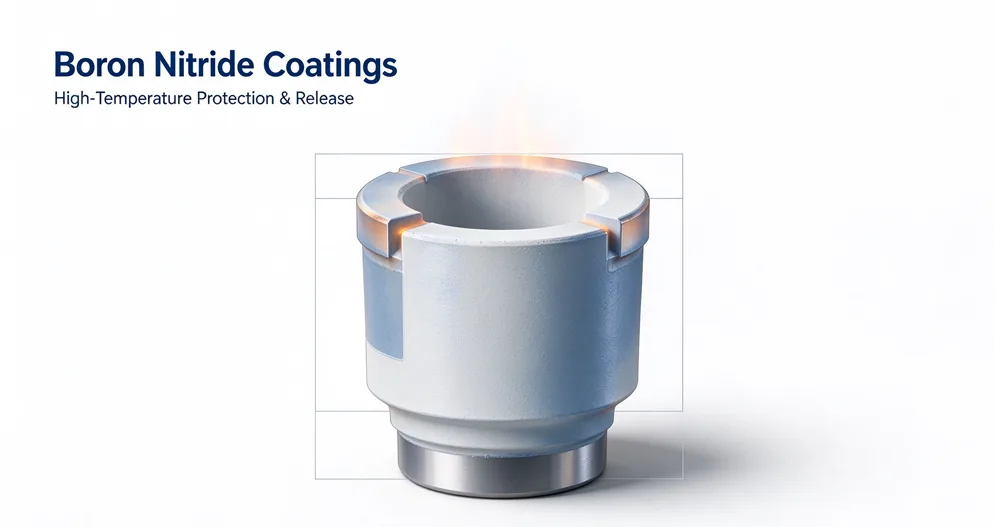
1. Introduction to Boron Nitride Coatings
1.1 The Challenge of High-Temperature Processing
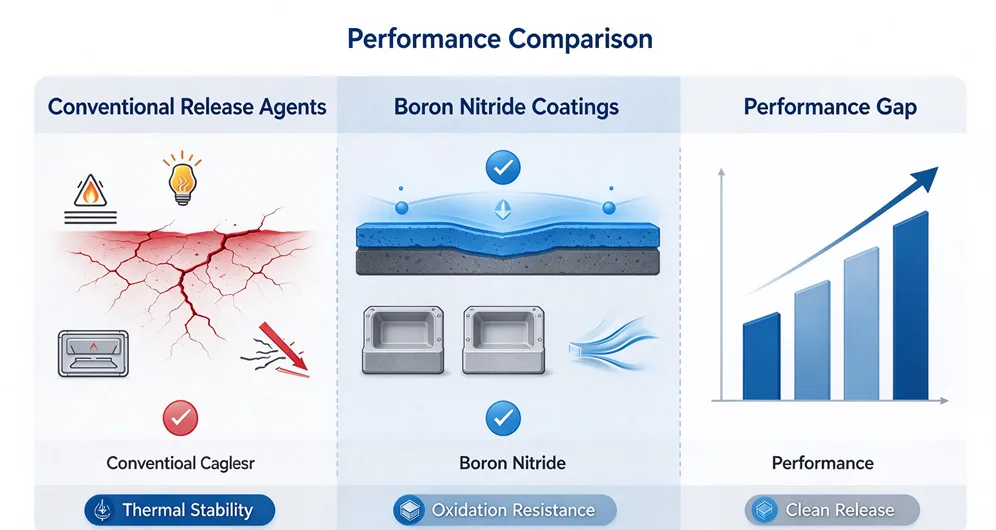
In modern industrial manufacturing, high-temperature processes such as metal casting, glass forming, ceramic sintering, and chemical synthesis require specialized equipment and materials. At these extreme temperatures, materials tend to oxidize, degrade, or stick to the tooling surfaces. Traditional mold release agents and protective coatings often break down under heat, leading to contamination, equipment damage, and production downtime.
1.2 Why Choose Boron Nitride Coatings?
Boron Nitride Coatings offer a highly effective solution to these challenges. Made from hexagonal boron nitride, these coatings possess a unique combination of properties: extreme thermal stability, chemical inertness, and a non-wetting surface. Whether used as a protective barrier against oxidation or a high-temperature release agent, Boron Nitride Coatings excel in environments where other materials fail.
1.3 The Growing Demand for Reliable Thermal Barriers
As industries push for higher efficiency and better product quality, the demand for reliable thermal barriers and release agents is growing. Boron Nitride Coatings are increasingly recognized as the material of choice for demanding high-temperature applications due to their ability to protect substrates and ensure clean, smooth surfaces during production.
2. Understanding the Basics of Boron Nitride Coatings
2.1 What Are Boron Nitride Coatings?
Boron Nitride Coatings are typically formulated as suspensions of hexagonal boron nitride particles in a liquid carrier. Once applied to a substrate—such as a metal mold, graphite fixture, or ceramic crucible—the carrier evaporates or cures, leaving a thin, continuous, and adherent layer of boron nitride.
2.2 Key Properties of Boron Nitride Coatings
- High Thermal Stability: Can withstand extremely high temperatures without degrading or losing their protective properties.
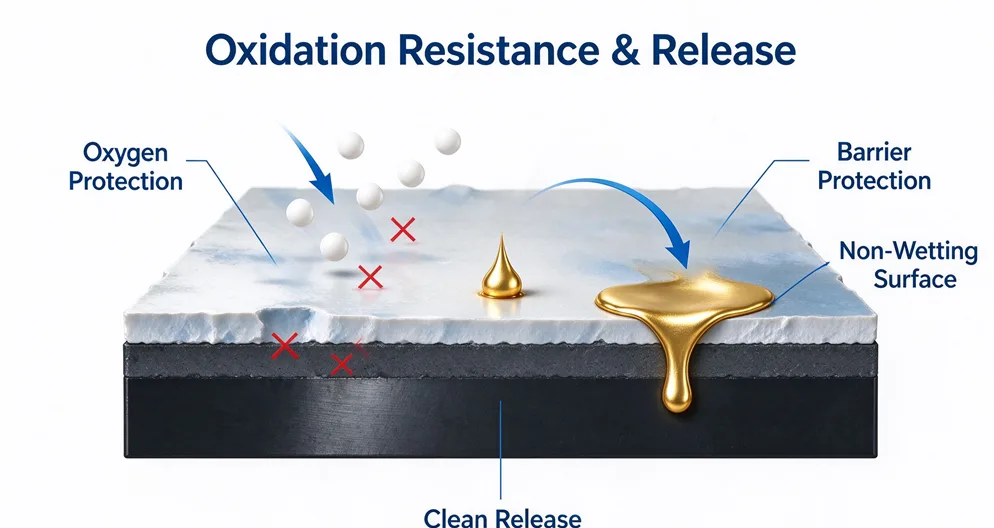
- Oxidation Resistance: Acts as a barrier to protect the underlying substrate from oxygen attack at elevated temperatures.
- Non-Wetting: The surface repels molten metals and reactive materials, preventing them from sticking to the substrate.
- Chemical Inertness: Resists attack from most acids, alkalis, and molten materials.
- Electrical Insulation: Provides electrical insulation, which is critical in certain electronic and thermal applications.
- Lubricity: Offers excellent lubrication, reducing friction between moving parts at high temperatures.
3. Why High-Temperature Protection and Release Are Critical
3.1 Preventing Oxidation and Degradation
At high temperatures, many materials react with oxygen, leading to oxidation and degradation. For example, graphite fixtures in a furnace will slowly oxidize in air, reducing their service life. Boron Nitride Coatings provide an effective barrier, slowing the oxidation process and extending the life of the underlying materials.
3.2 Ensuring Clean Mold Release
In metal casting and glass forming, molten materials can adhere to the mold surface. This not only damages the mold but also affects the surface quality of the final product. Boron Nitride Coatings create a non-stick surface, ensuring that the molten material releases cleanly without requiring aggressive mechanical removal or chemical cleaning.
4. How Boron Nitride Coatings Work at High Temperatures
4.1 Barrier Protection Against Oxidation
The layered structure of hexagonal boron nitride creates a dense, impermeable barrier that slows the diffusion of oxygen to the substrate. At high temperatures, Boron Nitride Coatings remain stable and do not react with the oxygen, effectively protecting the underlying material from oxidation.
4.2 High-Temperature Release Mechanism
The weak van der Waals forces between the layers in hexagonal boron nitride give it excellent lubricity. When applied as a coating, it forms a smooth, low-friction surface that prevents molten metals, glass, or ceramic precursors from adhering. As a result, Boron Nitride Coatings facilitate easy release and clean demolding, even under extreme thermal conditions.
4.3 Chemical Inertness and Non-Wetting
Boron Nitride Coatings are chemically inert to most molten metals and reactive compounds. This non-wetting characteristic ensures that the coatings do not react with the processed materials, preventing contamination and ensuring high purity of the final product.
5. Key Technical Specifications of Boron Nitride Coatings
| Property | Specification |
|---|---|
| Main Component | Hexagonal Boron Nitride (h-BN) |
| Maximum Operating Temperature | Extremely high (stable in inert and vacuum environments) |
| Chemical Resistance | Excellent (resistant to most molten metals and chemicals) |
| Electrical Insulation | High |
| Coefficient of Friction | Low |
| Application Method | Spraying, brushing, or dipping |
| Coating Thickness | Typically thin (micrometers) |
6. Matching Boron Nitride Coatings to Your Application
6.1 Metal Casting and Die Casting
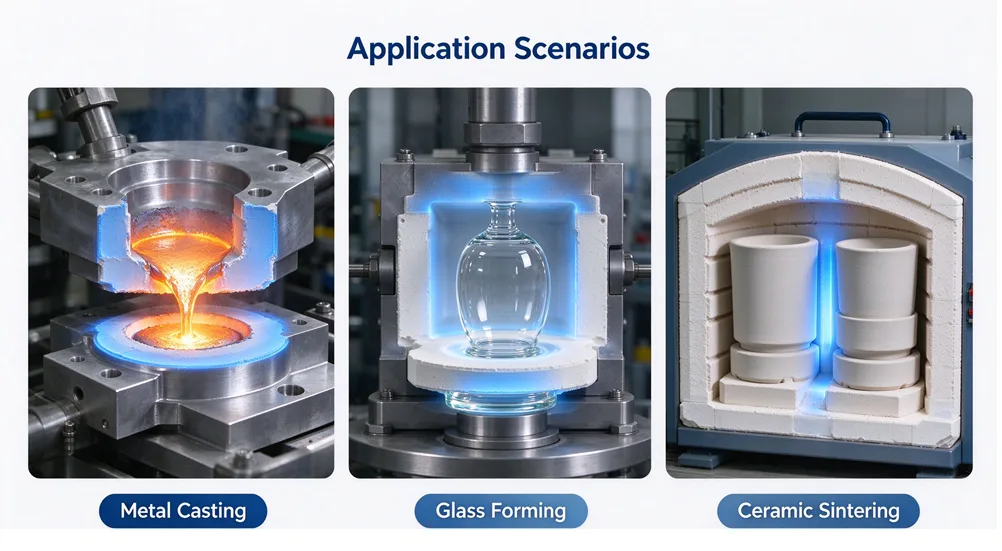
In die casting and metal smelting, Boron Nitride Coatings are applied to molds, dies, and crucibles. They prevent molten metal from sticking, extend the life of the tooling, and improve the surface finish of the cast parts.
6.2 Glass Forming
For glass manufacturing, Boron Nitride Coatings provide an excellent release surface for glass molding and forming equipment. They resist attack from molten glass and ensure smooth, defect-free glass products.
6.3 Ceramic Sintering and Kiln Furniture
In ceramic manufacturing, Boron Nitride Coatings are used to protect kiln furniture, setters, and saggers. They prevent the ceramic parts from sticking to the supports and reduce the risk of oxidation during the sintering process.
6.4 Graphite Fixture Protection
Graphite is widely used in high-temperature furnaces but is prone to oxidation. Coating graphite fixtures with Boron Nitride Coatings protects them from oxidation and extends their operational lifespan.
7. Common Misconceptions About Boron Nitride Coatings
7.1 “Boron Nitride Coatings Are Too Expensive”
While Boron Nitride Coatings may have a higher upfront cost than traditional release agents, their exceptional durability and ability to extend the life of expensive molds and fixtures make them highly cost-effective in the long run.
7.2 “They Are Difficult to Apply”
Boron Nitride Coatings are available in user-friendly liquid suspensions that can be easily applied by spraying, brushing, or dipping. The application process is straightforward and compatible with standard industrial practices.
7.3 “Boron Nitride Coatings Are Only for Aerospace”
While Boron Nitride Coatings are used in advanced applications, they are also widely utilized in standard industrial processes such as metal casting, glass forming, and ceramic sintering, providing reliable and cost-effective high-temperature protection.
8. Quick Evaluation Checklist
Before selecting Boron Nitride Coatings for your application, verify:
- Maximum operating temperature of the process
- Type of material being processed (e.g., molten metal, glass, ceramic)
- Substrate material (e.g., graphite, metal, ceramic)
- Required release properties and surface finish
- Application method available (spray, brush, dip)
- Environmental conditions (air, inert gas, vacuum)
9. Real-World Application Scenarios
9.1 Die Casting Mold Protection
A die casting facility applied Boron Nitride Coatings to their metal molds. The coating prevented molten aluminum from sticking to the mold, significantly extending the mold’s service life and improving the surface quality of the cast components.
9.2 Kiln Furniture Release in Ceramics
A ceramics manufacturer used Boron Nitride Coatings on their kiln setters. The coating provided excellent release properties, preventing ceramic parts from adhering to the setters during high-temperature firing, and reduced the risk of oxidation on the graphite fixtures.
10. Frequently Asked Questions (FAQs)
Q1: What are Boron Nitride Coatings?
Boron Nitride Coatings are high-performance protective and release coatings made from hexagonal boron nitride. They are known for their exceptional thermal stability, oxidation resistance, and non-wetting properties.
Q2: How do Boron Nitride Coatings prevent oxidation?
The layered structure of Boron Nitride Coatings creates a dense barrier that limits the diffusion of oxygen to the substrate, protecting materials like graphite from oxidation at high temperatures.
Q3: Can Boron Nitride Coatings be used for metal casting?
Yes. Boron Nitride Coatings are widely used as a mold release agent in metal casting. They prevent molten metals from sticking to the mold, improving surface finish and extending mold life.
Q4: Are Boron Nitride Coatings electrically conductive?
No, Boron Nitride Coatings are excellent electrical insulators, making them suitable for applications where electrical conductivity is a concern.
Q5: What is the maximum temperature that Boron Nitride Coatings can withstand?
Boron Nitride Coatings can withstand extremely high temperatures, remaining stable in inert and vacuum environments. Their exact temperature limits depend on the specific formulation and application environment.
11. What Boron Nitride Coatings Mean for Industrial Thermal Processing
Boron Nitride Coatings represent a significant advancement in high-temperature protection and release technology. By providing a stable, non-wetting, and oxidation-resistant barrier, they solve critical challenges in metal casting, glass forming, and ceramic sintering. As industries demand higher performance and efficiency, Boron Nitride Coatings will remain essential for protecting valuable equipment and ensuring clean, high-quality production.
Supplier
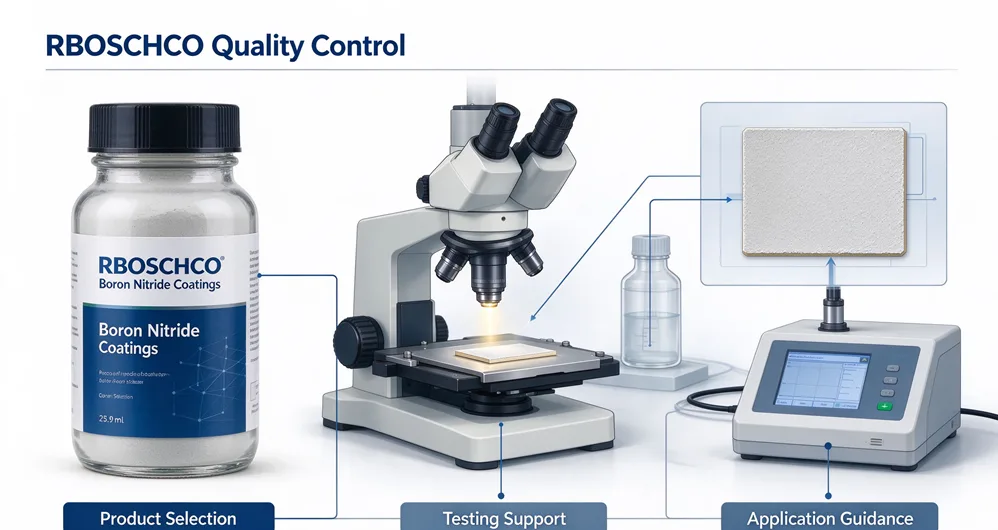
RBOSCHCO is a trusted global chemical material supplier and manufacturer with over 12 years of experience in providing high-quality chemicals and nanomaterials, including boride powder, nitride powder, graphite powder, sulfide powder, and 3D printing powder. The company has a professional technical department and quality supervision department, a well-equipped laboratory with advanced testing equipment, and a dedicated after-sales customer service center. RBOSCHCO supplies Boron Nitride Coatings worldwide, suitable for metal casting, glass forming, ceramic sintering, and graphite fixture protection. The company offers comprehensive technical support, from product selection to application guidance. If you are looking for high-quality Boron Nitride Coatings for high-temperature protection, please feel free to contact us.
RELATED POSTS
Performance and Application of Silicon Nitride Brick Crucible Plate
Why Are Silicon Carbide Crucibles the Ultimate Choice for High-Purity Battery Material Synthesis?
Comparison Of Comprehensive Performance Of Mainstream Aerogel Powders: SiO₂ Vs. Carbon-Based Vs. Others

New water material Ti₃AlC₂: the shining star in the MAX phase
Boron Nitride Plate: High-Performance Ceramics Compared To Boron Carbide
