Professional and high-quality metal alloys, ceramic products and concrete additives | RBOSCHCO



PRODUCT PARAMETERS
Description
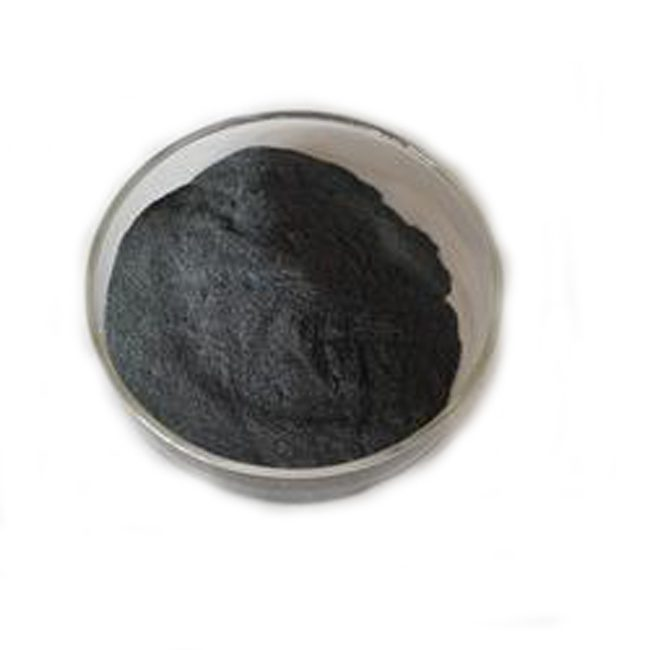
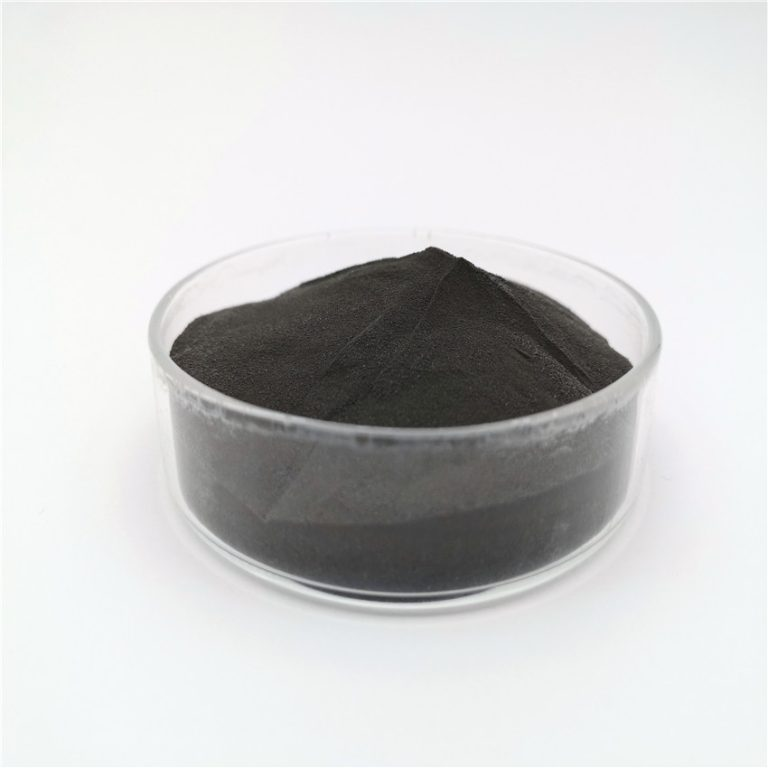
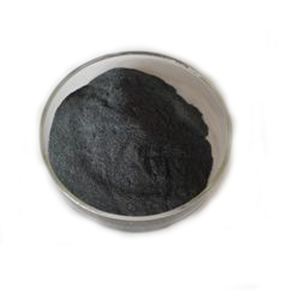
Overview of CVD Silicon-Carbon Anode Material
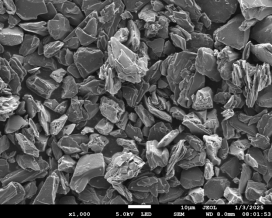
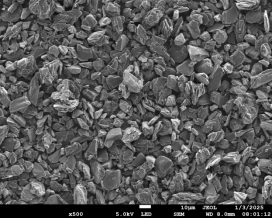
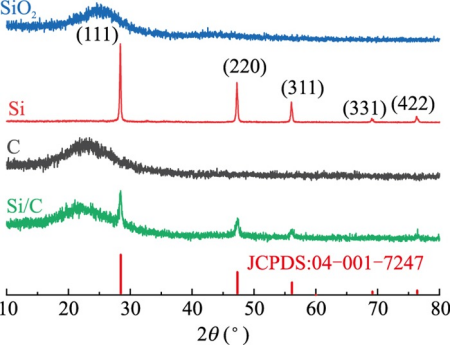
Our Silicon-Carbon Anode Material is manufactured using an innovative “porous carbon skeleton + vapor-phase silicon deposition + secondary carbon coating” process. This advanced CVD method uniformly deposits nano-silicon particles (sub-5 nm) into a porous carbon matrix, creating a composite with a graded buffer structure. The material combines silicon’s ultra-high lithium storage capacity with carbon’s excellent electrical conductivity and structural stability.
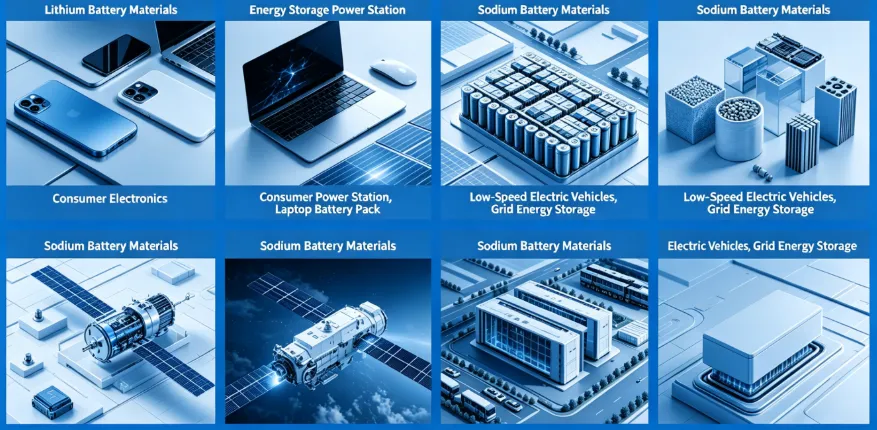
This product is ideally suited for premium consumer electronics, EV power batteries, and energy storage systems, demonstrating exceptional performance in large-format cylindrical cells, ultra-fast charging batteries, and solid-state / semi-solid-state batteries.
Features of CVD Silicon-Carbon Anode Material
- Microstructure Design
- Porous Carbon Skeleton: Derived from renewable biomass (e.g., coconut shells) via steam activation, offering abundant micropores and high specific surface area for silicon deposition and volume expansion buffering.
- Nano-Silicon Particles: Deposited via CVD to achieve particle sizes < 5 nm, which minimizes absolute volume expansion while enhancing reaction kinetics.
- Gradient Carbon Coating: A uniform carbon layer encapsulates the Si/C composite particles, improving electrical conductivity and suppressing parasitic side reactions with the electrolyte.
- Core Advantages
- High Specific Capacity: Achieves 3–5 times the capacity of conventional graphite anodes, enabling cell-level energy densities exceeding 300 Wh/kg.
- Excellent Cycling Stability: The porous carbon framework effectively buffers silicon expansion, delivering cycle life of over 3000 cycles.
- Superior Rate Performance: The unique conductive network architecture ensures outstanding fast-charge / fast-discharge capabilities, supporting 4C and above ultra-fast charging systems.
- Batch-to-Batch Consistency: Automated CVD production lines ensure tight process control and consistent product quality across all batches.
Technical Specifications of CVD Silicon-Carbon Anode Material
Model 2000
| No. | Parameter | Unit | Standard | Typical Value | Test Method / Instrument | |
|---|---|---|---|---|---|---|
| 1 | Particle Size | Dmin | μm | ≥ 1.0 | 1.42 | Laser Diffraction (BT-9300S) |
| D10 | μm | 4.0 ± 1.0 | 4.27 | |||
| D50 | μm | 11.0 ± 1.0 | 11.39 | |||
| D90 | μm | 21.0 ± 1.0 | 20.49 | |||
| Dmax | μm | ≤ 36 | 35.65 | |||
| 2 | Tap Density (TAP) | g/cc | 0.6 ± 0.1 | 0.62 | Auto Tap Density Tester (BT-300) | |
| 3 | Specific Surface Area (SSA) | m²/g | 17 ± 2 | 16.68 | BET (N₂ Adsorption) | |
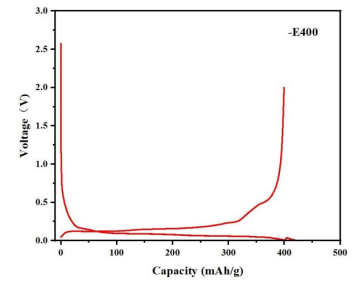
| 5 | Capacity (1.5V) | mAh/g | 2000 ± 100 | 2018 | CR2025 Coin Cell (0.8C/0.8C) | |
| 1st Efficiency (1.5V) | % | ≥ 89.2% | 89.46 | |||
| Capacity (0.8V) | mAh/g | 1700 ± 50 | 1687 | |||
| 1st Efficiency (0.8V) | % | ≥ 86% | 86.25 | CR2025 Coin Cell (0.8C/0.8C) | ||
| 6 | Trace Elements | Fe | ppm | ≤ 20 | 9.42 | ICP (Dissolution Method) |
| Co | ppm | ≤ 5 | — | |||
| Cu | ppm | ≤ 5 | — | |||
| Ni | ppm | ≤ 5 | — | |||
| Al | ppm | ≤ 5 | — |
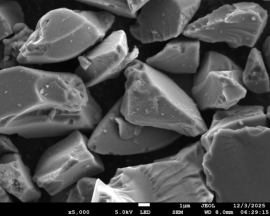
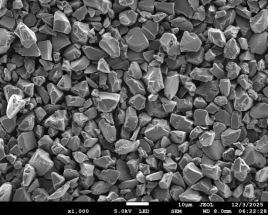
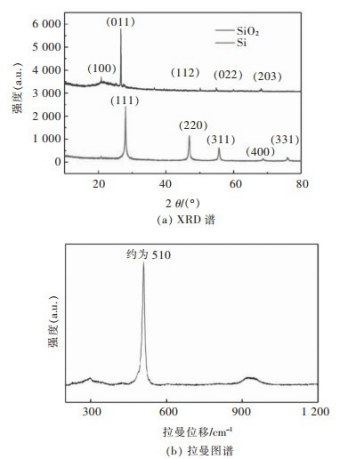
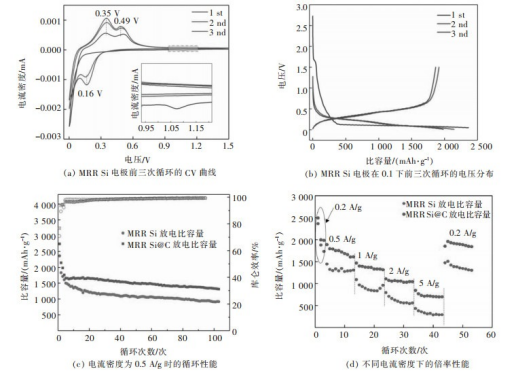
Model 800
| No. | Parameter | Unit | Standard | Typical Value | Test Method / Instrument | |
|---|---|---|---|---|---|---|
| 1 | Particle Size | Dmin | μm | ≥ 1.0 | 1.55 | Laser Diffraction (BT-9300S) |
| D10 | μm | 5.0 ± 1.0 | 5.15 | |||
| D50 | μm | 12.0 ± 1.0 | 12.11 | |||
| D90 | μm | 22.0 ± 1.0 | 21.83 | |||
| Dmax | μm | ≤ 39 | 38.72 | |||
| 2 | Tap Density (TAP) | g/cc | 1.1 ± 0.1 | 1.12 | Auto Tap Density Tester (BT-300) | |
| 3 | Specific Surface Area (SSA) | m²/g | ≤ 4.5 | 4.1 | BET (N₂ Adsorption) | |
| 7 | Capacity (1.5V) | mAh/g | 800 ± 50 | 810 | CR2025 Coin Cell (0.8C/0.8C) | |
| 1st Efficiency (1.5V) | % | ≥ 90% | 90.65 | |||
| Capacity (0.8V) | mAh/g | 680 ± 50 | 715 | |||
| 1st Efficiency (0.8V) | % | ≥ 86% | 87.9 | CR2025 Coin Cell (0.8C/0.8C) | ||
| 8 | Trace Elements | Fe | ppm | ≤ 20 | — | ICP (Dissolution Method) |
| Co | ppm | ≤ 5 | — | |||
| Cu | ppm | ≤ 5 | — | |||
| Ni | ppm | ≤ 5 | — | |||
| Al | ppm | ≤ 5 | 2.2 |
Applications of CVD Silicon-Carbon Anode Material
- EV Power Batteries
When blended with graphite anode materials, our Si/C composite significantly enhances energy density and charge rates. It is particularly well-suited for large-format cylindrical batteries, where the rigid casing effectively constrains silicon expansion, ensuring stability and long-term cycling performance. - Premium Consumer Electronics
Ideal for smartphones, laptops, wearables, and other 3C products. It delivers both high energy density and fast-charging capability, and has been widely adopted in batteries for mainstream consumer electronic devices. - Solid-State / Semi-Solid-State Batteries
Our product demonstrates excellent compatibility with sulfide-based solid-state electrolytes, effectively suppressing silicon expansion while promoting ionic transport. It is recognized as a core anode material for next-generation solid-state battery systems. - Energy Storage Systems (ESS)
After optimized blending with graphite, this material meets the long cycle life requirements of stationary storage, making it suitable for grid-level and commercial/industrial energy storage applications.
Company Profile
Luoyang Tongrun Nano Technology Co., Ltd. (TRUNNANO) is a global supplier and manufacturer of high-performance battery materials. We specialize in lithium-ion, sodium-ion, and other advanced battery materials, serving 3C electronics, power batteries, and energy storage systems.
Our products include nano cobalt oxide, nano manganese oxide, silicon-carbon anode materials, hard carbon, NFPP, alumina, boron nitride, and more. All are produced under strict quality control, supported by our in-house lab and professional technical team.
If you are looking for reliable battery materials, feel free to contact us or send an inquiry.
Payment Methods
L/C, T/T, Western Union, Paypal, Credit Card, etc.
Shipment
By sea, by air, or by express upon payment receipt.
Package of CVD Silicon-Carbon Anode Material
- Storage & Handling
- The product is hygroscopic. After opening, it should be used promptly in a dry environment (dew point ≤ -40°C). Any unused portion must be resealed and stored in an airtight container.
- Store in a cool, dry, and well-ventilated area, away from heat and ignition sources.
- To prevent metal contamination during slurry preparation, ceramic or polymer-based mixing vessels and blades are strongly recommended.
- Transportation
- Protect from moisture, rain, and physical impact. Sealed packaging is required to maintain product integrity.
FAQs of CVD Silicon-Carbon Anode Material
1. What is the difference between the 2000 and 800 models?
The Model 2000 delivers a higher specific capacity (2000 mAh/g) at the expense of slightly lower first-cycle efficiency, making it ideal for high-energy-density applications. The Model 800 offers moderate capacity (800 mAh/g) with higher tap density and excellent first efficiency (≥ 90%), better suited for applications requiring high volumetric energy density and long cycle life.
2. How does the porous carbon skeleton improve cycling stability?
The abundant micropores within the carbon skeleton provide physical buffer space to accommodate the volume expansion of silicon during lithiation (up to ~300%). This prevents electrode cracking and pulverization, extending cycle life to over 3000 cycles.
3. What is the recommended blending ratio with graphite?
The optimal blending ratio depends on the target energy density and cycle life. Typical blending levels range from 5% to 20% (by weight) of our Si/C material with graphite. We recommend conducting formulation optimization based on your specific cell design and performance requirements.
4. Is this material compatible with solid-state electrolytes?
Yes. Our Si/C composite shows excellent compatibility with sulfide-based solid-state electrolytes. The carbon coating effectively stabilizes the interface, while the porous structure accommodates expansion, making it a leading candidate for solid-state battery anodes.
5. What are the key handling precautions during electrode fabrication?
Since the product is hygroscopic, it must be processed in a dry room with a dew point ≤ -40°C. Additionally, use non-metallic (ceramic or polymer) mixing equipment to avoid trace metal contamination (Fe, Cu, Al, etc.) that could compromise battery safety and performance.
REQUEST A QUOTE
RELATED PRODUCTS
High Quality NaxTMO2 Anode Material for Sodium Ion Batteries
Silicon-Based Anode Material Series TRGY-2 Battery Anode Material

High quality wear-resistant aluminum oxide components
Coal-Based Hard Carbon Anode Material for Sodium-Ion Batteries
NCM-Na-008 O3-Type Layered Oxide Cathode – Long-Life Sodium-Ion Battery Positive Electrode